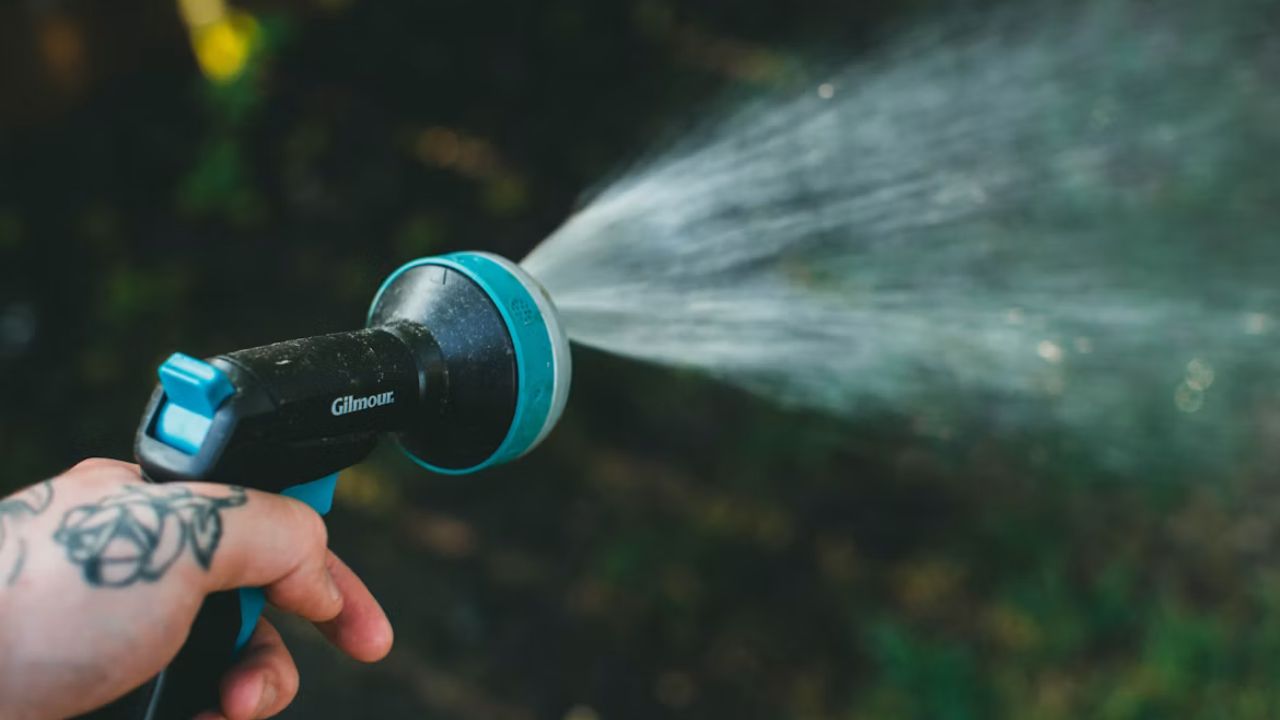
A decent nozzle turns an ordinary garden hose into a multipurpose tool. Whether you’re watering flowers, washing a car, cleaning a patio or removing mud off outdoor equipment. The right nozzle puts you in better control of water pressure, spray patterns and flow.
But not every nozzle is right in every application. A water jet nozzle could be good for hard dirt but could be damaging for young plants. A mild shower setting is fine for the garden but may not be strong enough to clean a driveway. Understanding how various nozzles work will enable you to select one that is time-saving, water-efficient and makes each task easier.
How Does a Water Nozzle Work?
A water nozzle is attached to the end of a hose to direct the water flow. The hose provides water with a specific flow rate and pressure . The smaller the aperture , the faster and more concentrated the stream . Multiple small openings break the water into a softer pattern. Many nozzles have a valve that controls and stops the flow. Trigger handles, thumb controls and twist mechanisms all do this fundamental thing in different ways. A flexible water nozzle affords the user another level of control, allowing you to change spray patterns without changing attachments.
Be aware that a nozzle does not provide endless pressure. It increases the pressure that you currently have from the water source. A good nozzle will make a feeble stream if the hose is kinked, excessively small, very lengthy, or hooked to a low-pressure source.
Common Water Nozzle Types
Water nozzles come in several designs. Each offers a different balance of power, comfort, precision, and versatility.
| Nozzle type | Best for | Main advantage | Possible drawback |
| Pistol-grip nozzle | General household use | Familiar trigger control and has multiple patterns | Holding the trigger may tire the hand |
| Dial or multi-pattern nozzle | Gardening, washing, and everyday tasks | Many spray options in one tool | More moving parts can wear over time |
| Water jet nozzle | Patios, tools, siding, and targeted cleaning | Strong, concentrated stream | May harm plants |
| Fan nozzle | Rinsing cars and broad surfaces | Wide, even coverage | Less force on stubborn dirt |
| Watering wand | Flower beds, baskets, and hard-to-reach plants | Long reach and gentle watering | Bulky for compact storage |
| Fireman-style nozzle | Fast rinsing and high-flow jobs | Durable with simple flow adjustment | Usually offers fewer spray patterns |
| Traditional twist nozzle | Simple cleaning and watering | Compact, reliable, and easy to use | Limited comfort and pattern selection |
Water Spray Nozzle vs. Water Jet Nozzle
Water spray nozzle and water jet nozzle are occasionally used interchangeably, but generally refer to different output techniques. Water spray nozzles spread water across a very large area. Depending on the model it can create a mist, shower and fan. These patterns are ideal for watering plants, washing soap off a car and cleaning a broad surface without applying too much power.
A water jet nozzle directs the flow into a narrow stream. It’s better for loosening dirt on pavement, getting to a far away place, or washing material out of crevices. Therefore it is more strong and should be tested on an inconspicuous region first. Do not aim for a high-powered jet at people, animals, fine paint, window seals or delicate plants. If a home routinely uses both gentle watering and harder cleaning, then a multi pattern adjustable nozzle is often the most convenient option.
How to Choose the Best Water Nozzle
Match the nozzle to the task:
Start with your most common work. Gardeners like mist, shower and soaker settings. Most car owners want a wide fan or shower pattern and good flow control. If you use it outside, you may prefer a focused jet and robust body over plenty of patterns. If you want just one nozzle for a range of jobs, seek for clearly indicated settings that can be adjusted with wet hands.
Check the construction material:
Most metal nozzles are sturdy and impact resistant. Brass, zinc alloy, or aluminum are common materials for metal nozzles. Plastic models are lighter and may be more pleasant to use during longer watering sessions, but cheap plastic can break if it is dropped or exposed to freezing temperatures.
Many beautifully designed products have a metal body with a rubberized grip. This adds durability, while offering more comfort, and safeguarding adjacent surfaces if the nozzle is bumped against them by accident.
Consider flow control and ergonomics:
The nozzle should be user friendly and easy to use. Traditional pistol grips offer accurate on/off control but might induce hand fatigue when pressing the trigger for long periods of time. A locking clip can help, although thumb-operated sliders or levers are frequently more comfortable for long-term use. Opt for one with a non-slip grip, smooth controls and a handle size that matches the user. This information is especially essential for those who have arthritis or reduced hand strength.
Look for a leak-resistant connection:
Most garden hoses and nozzles come with a standard threaded connection, but you will still need a decent rubber washer to ensure a tight seal. A leaky coupling is often a result of a missing, old or poorly fitted washer, not the nozzle. In general, a solid metal connection will endure longer than a thin plastic coupling. Before purchasing a speciality nozzle, determine if the connector will fit your hose or if an adapter is available.
Balance pressure and water efficiency:
More power is not always better . Positive shutdown and easy flow adjustment via a nozzle mean you use only the amount of water necessary for the task. For regular gardening, a nice gentle drizzle aimed close to the soil could work better than a strong spray that generates runoff. Select a design that seals water completely when closed. A small leak is a waste of water and a pain to hose down.
Best Nozzle Features for Different Uses
Gardening
Select a nozzle with shower and soaker patterns. A watering wand is good for hanging baskets, deep beds and plants to be watered at the base. Gentle output protects seedlings and prevents soil washing away.
Car washing
The fan or shower design has wide coverage and helps to rinse soap well. A convenient flow control lever is useful to halt the water between washing processes. Avoid a concentrated jet near chipped paint, trim, sensors or seals.
Patios and driveways
A durable water jet nozzle can loosen ordinary dirt and move loose debris. For deeply embedded stains, however, a hose nozzle is not a substitute for a pressure washer or an appropriate cleaning solution.
Pet washing
Test the water temperature and use a low pressure shower setting before you start. The single-handed flow control nozzle makes it easy to keep the spray off the face and ears of the animal.
General household use
The best all round answer is a good adjustable water nozzle with different designs. It can do plant care, rinsing, light cleaning, filling containers and many other ordinary operations without the need for any attachments.
Final Thoughts
The best water nozzle isn’t only the one with the most powerful spray or the most settings. It’s the one that works for your main jobs, feels good in your hand, connects leak free and allows you perfect control of the flow.For the best flexibility, use a quality-made adjustable water nozzle with clearly defined spray patterns. Choose a soft setting for plants and pets, a wide spray for rinsing, and a concentrated stream for spot cleaning. With the correct nozzle and a bit of regular upkeep, a garden hose can be a dependable asset for dozens of tasks around the house.
Frequently Asked Questions
Which water nozzle is best for home use?
For most homes, a durable multi-pattern nozzle with a comfortable grip and adjustable flow offers the best combination of cleaning and gardening performance.
Are brass water nozzles better than plastic nozzles?
Brass is generally durable and resistant to cracking, while plastic is lighter and may remain more comfortable in hot or cold weather. The better choice depends on build quality, weight, climate, and intended use.
Why does my water nozzle leak?
The most common causes are a damaged or missing hose washer, a loose connection, worn threads, or a failed internal seal. Inspect the washer first because it is inexpensive and easy to replace.