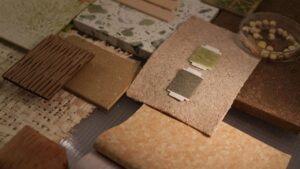

In recent years, vinyl plank flooring has become one of the most popular alternatives for house owners. Looks like real wood, keeps up well to water and is usually much cheaper than hardwood or tile. However not all vinyl planks are created equal and there are brands on the market that cut corners to keep prices down. This guide will show you the correct method to read vinyl plank flooring reviews, what separates a good product from a bad one, and the warning flags that lead to the worst vinyl plank flooring manufacturers on the market.
Why Vinyl Plank Flooring Reviews Matter So Much
Flooring is a major expenditure, with most homeowners only replacing their floors once every ten to twenty years. This is completely different than buying a piece of furniture that you can return if you don’t like it. Once you install vinyl plank flooring it is expensive and time consuming to pull it out and start over.
That’s precisely why vinyl plank flooring reviews are so crucial before you buy. Someone who has lived with a product for a year or two can tell you things a showroom sample never will. Is the surface easily scratched by normal foot traffic? Is it fading in areas that get direct sunshine around windows? Does the edge of the planks begin to lift after a few seasons of humidity changes? These are the kinds of things that only come out over time, and candid assessments are frequently your only chance to know before you commit.
What Makes a Vinyl Plank Flooring Brand Reliable
Before we go into the brands to avoid, it’s helpful to know what makes a dependable brand different from a weak one. There are a few criteria that tend to recur in strong reviews of vinyl plank flooring.
Wear layer thickness. The wear layer is the transparent top coating that protects the plank from scratches and dents. Generally, for busy families, thicker wear layers, usually 12 mils or more, keep up much better over time than thin, budget layers.
Core construction. Rigid core and stone composite cores tend to resist dents and temperature changes better than older, flexible vinyl cores. Reviewers consistently point to a solid core as one of the biggest factors in long term durability.
Warranty length and clarity. Good brands will stand behind their product with a clear warranty including regular wear and tear, not simply flaws in production. Vague or very short warranties frequently indicate bad product quality.
Consistent batch quality. Some brands have a problem with consistent quality between production batches.One box of flooring may appear and perform differently than another. The discrepancy is typically seen in customer complaints and reduces overall satisfaction.
Common Traits of the Worst Vinyl Plank Flooring Brands
Homeowners looking for the worst vinyl plank flooring brands are usually wanting to avoid a set of problems rather than a particular firm. There are some consistent themes in consumer evaluations that identify features that keep popping up in low-rated products.
Thin wear layers marketed as premium. Some lower end brands include marketing verbiage that implies a heavy duty product, but the actual wear layer is thin enough to scratch within the first year of normal use.
Locking systems that fail quickly.Weak click lock systems can cause planks to separate or develop apparent gaps over time, especially in rooms where furniture is moved frequently or where there is a lot of foot activity. This is one of the most typical complaints in the negative vinyl plank flooring reviews.
Poor moisture resistance despite waterproof claims. Many budget brands advertise their flooring as fully waterproof, but reviews often reveal swelling or warping at the seams after spills or humidity exposure, particularly in bathrooms and kitchens.
Limited or confusing customer support. When a fault does show up, some of the worst brands of vinyl plank flooring make the procedure of a warranty claim difficult on purpose, with long wait times, incorrect paperwork or no answer at all.
Strong smell that lingers for weeks. Sometimes cheaper vinyl production employs lower grade plasticizers which can produce a strong chemical smell that requires a lot longer to go away than higher quality alternatives.
How to Spot Red Flags Before You Buy
You don’t need to be a flooring guru to steer clear of a bad buy. A few basic behaviors can help you weed out weak brands before you ever make an order.
Start by reading actual customer reviews instead of just glancing at the star rating. A product with a high average score can conceal a pattern of dozens of reviews complaining about the same thing – and it is often more important information than the overall score.
Check to see if the warranty is specific about what it will cover. A good warranty will be unambiguous about covering wear, staining and fading for a fair period of time. In actuality, a warranty that simply covers manufacturing flaws is substantially weaker.
Ask for a sample before ordering a roomful of flooring. Photos and product descriptions cannot show you quality differences, but you may feel the surface texture and inspect the wear layer thickness by hand.
Finally, don’t believe one site, seek for a pattern across numerous independent review sites. Brands may monitor their reviews very carefully on their own website, so it’s worth looking at feedback from a few different sites to get a more rounded picture.
Final Thoughts
Vinyl plank flooring can be a terrific choice for just about any home, but the difference between a great outcome and a frustrating result usually comes down to the brand you choose. By reading in-depth vinyl plank flooring reviews, you will know what separates the good from the bad and what characteristics the worst vinyl plank flooring brands have in common, thus avoiding an expensive error. Its a modest thing to pay to take a little extra time before you buy rather than replacing a floor that fails in the first few years.