
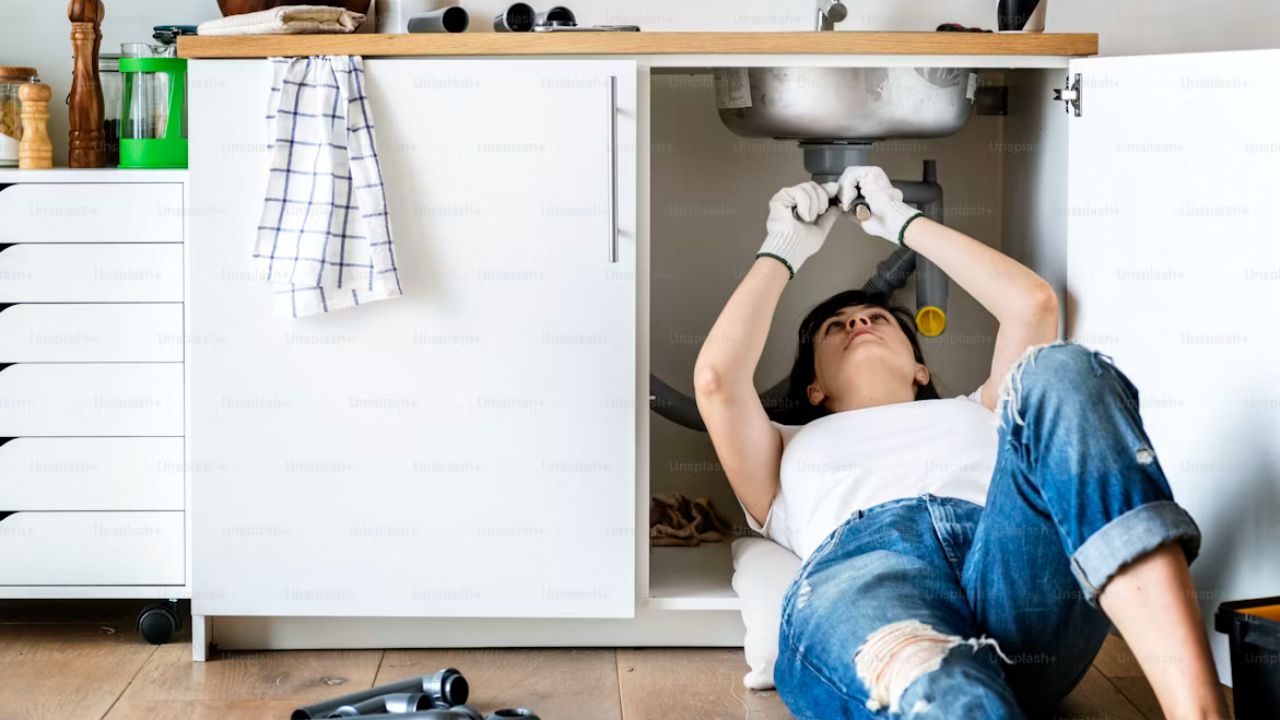
Every homeowner has been there. It’s 9 p.m. on a Tuesday, you hear water running somewhere it shouldn’t be, and your stomach drops. Your first thought is probably, “Do I need to call someone right now, or can this wait until morning?”
That question matters more than most people realize. Calling for emergency plumbing service when you don’t need it can cost you a premium for something a scheduled visit would handle just fine. But waiting on a real emergency can turn a $300 repair into $10,000 of water damage.
After decades in the trade, I can tell you that most homeowners get this decision wrong in both directions. So here’s a straightforward guide to sorting the true emergencies from the problems that can safely wait a day or two.
First, a Quick Way to Think About It
Before we get to the lists, here’s the simple test I’d give any homeowner. Ask yourself three questions:
- Is water actively going somewhere it shouldn’t be?
- Can I shut off the water to stop it?
- Is there any risk to my family’s health or safety?
If water is spreading and you can’t stop it, or if sewage is involved, you have an emergency. Full stop. If you can shut off the water to the problem area and the house is still livable, you almost always have time to make a normal appointment.
Now let’s get specific.
7 Problems That Can’t Wait
- A Burst Pipe
This one is obvious once you see it, but people still hesitate. A burst pipe can dump gallons of water per minute into your walls, ceilings, or floors. Every minute counts.
If this happens, shut off the main water valve first, then call. Know where that valve is before you ever need it. In many homes it’s in the garage, basement, or near the street where the water line enters the house. If you don’t know where yours is, go find it today. That’s not an exaggeration. It is the single most useful piece of plumbing knowledge a homeowner can have.
- Sewage Backing Up Into Your Home
Sewage is a health hazard, not just a mess. When a main line backs up and waste comes up through a floor drain, shower, or toilet, you’re dealing with bacteria and contamination in your living space.
Don’t try to clean it yourself without protection, don’t run water anywhere in the house, and don’t flush “just to check.” Call immediately. This is also one situation where the cleanup matters as much as the repair, so the sooner the flow is stopped and the line is cleared, the better the outcome.
- No Water at All
If you turn on a faucet and nothing comes out anywhere in the house, something serious is wrong. It could be a major leak, a failed main line, or a blockage that’s about to cause a much bigger problem somewhere you can’t see.
One caveat: check with your water provider first if there’s construction in your area or your neighbors are also dry. But if the house next door has water and you don’t, treat it as an emergency.
- A Water Heater Leaking From the Tank
A small drip from the bottom of a water heater tank is not a small problem. Tanks fail from the inside out, and once a leak starts, it usually gets worse fast. A failed tank can release its entire contents, often 40 to 50 gallons, onto your floor.
There’s also a hidden danger here. A leaking tank can put stress on the connections and, in gas units, cause issues you don’t want to discover later. If you see water pooling under the tank, shut off the water supply valve on the unit and the gas or breaker powering it, then call.
- A Fixture Overflowing and Won’t Stop
A toilet that keeps rising past the bowl, or a floor drain that’s gurgling and starting to spill, means water has nowhere to go. People often stand there watching it, hoping it settles. Sometimes it does. Often it doesn’t.
Shut off the toilet’s supply valve, usually a small handle near the base, or stop using all water in the house if it’s a drain issue. If the water keeps coming even with everything off, you need help now.
- A Burst Supply Line
The thin hoses that feed your sink, toilet, and washing machine are under constant pressure, and they’re the most common failure point in a home. When one lets go, it sprays.
A washing machine hose failure is the worst of the bunch. Those hoses can release a tremendous amount of water fast, and it often happens when nobody is home. If a supply line bursts, shut off the valve feeding it, or the main if you have to, and call. And if your washer has rubber hoses, replace them with braided stainless steel lines before they fail. That’s a $20 fix that prevents one of the most expensive insurance claims in home ownership.
- Signs of a Slab Leak
This one is sneaky because there’s no visible water. Watch for warm spots on the floor, the sound of running water when nothing is on, a water bill that jumps for no reason, or cracks that appear in your foundation.
A leak under a slab can run for weeks before you notice it, eroding the ground beneath your home the entire time. It’s not a “water everywhere” emergency, but it is a “structural damage in progress” emergency. If you have the signs, don’t sit on it.
4 Problems That Can Wait
- A Slow Drain
One sink draining slowly is annoying, not dangerous. Try a plunger first. Skip the chemical drain cleaners, by the way. They rarely fix the real problem, and they can damage older pipes while putting harsh chemicals into your home. If the drain stays slow, schedule a visit. You have days, not minutes.
- A Dripping Faucet
A drip wastes water and will eventually get worse, but it won’t flood your house. A faucet that drips can usually wait a week or two for a convenient appointment. Just don’t let it stretch into months, because a worn part can turn into a failed one.
- A Running Toilet
A running toilet can waste a surprising amount of water, sometimes hundreds of gallons a day, so don’t ignore it entirely. But it’s not an emergency. Often it’s just a worn flapper, which is a genuinely easy fix. If you’re handy, try replacing it yourself. If not, it’s a perfectly reasonable item for a regular service call.
- Low Pressure at One Fixture
If the kitchen sink has weak pressure but everything else is fine, you’re probably looking at a clogged aerator or a failing cartridge. Both are routine repairs. Low pressure across the whole house is a different story and worth a faster look, but a single weak faucet can wait.
The Mistake That Costs People the Most
If I could leave you with one thought, it’s this: the most expensive plumbing problems are the ones people watched and waited on. Homeowners are careful with their money, and that instinct is usually good. But with water, hesitation is expensive.
The pattern is always the same. A small stain on the ceiling. A little gurgle in the drain. A hot spot on the bathroom floor. Each one seems minor, so it gets a week of “let’s keep an eye on it.” Then the ceiling comes down, or the floor buckles, or the water bill arrives.
You don’t need to panic at every drip. You just need to know the difference between a problem and an event. Water where it shouldn’t be, sewage, and no water at all are events. Everything else is a problem, and problems can be planned for.
Find your main shut-off valve this week. Save the number of a plumber you trust in your phone before you need it. And when something does go wrong at 9 p.m. on a Tuesday, you’ll already know the answer to the question: is this really an emergency?