
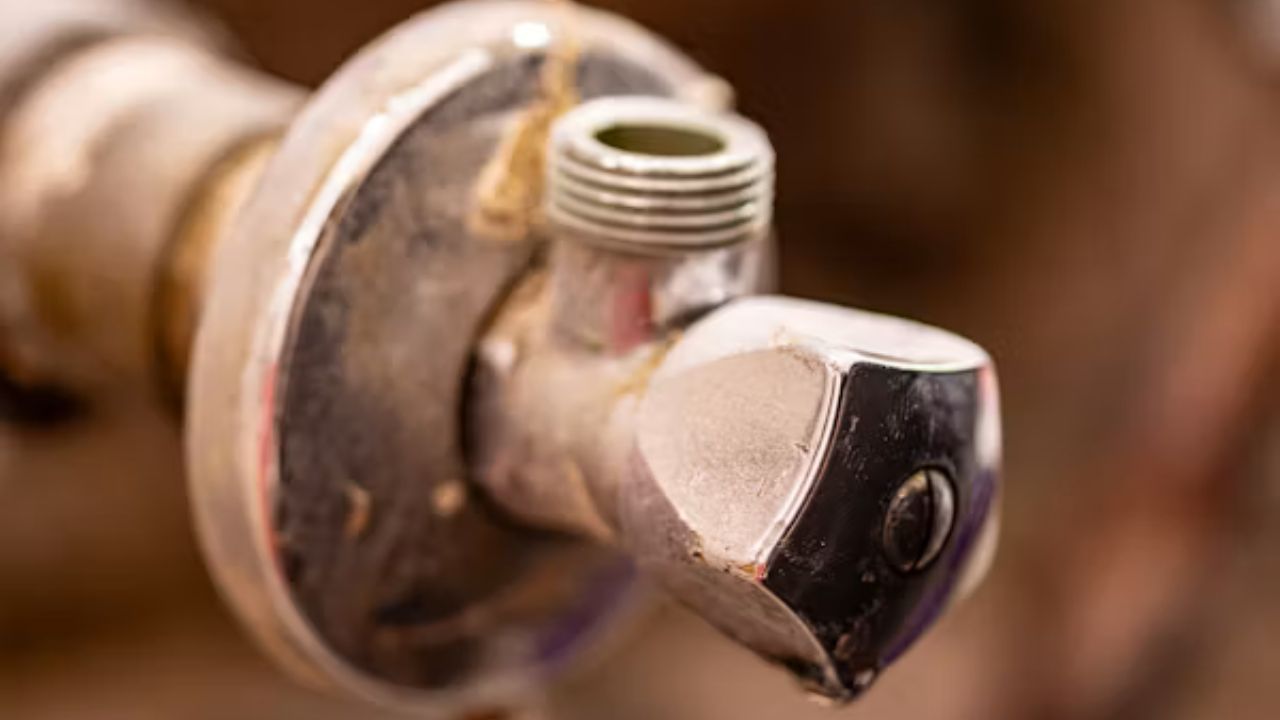
A water heater leak might begin as a dribble and quickly becomes an expensive problem. Not only does a leak waste water, but it can also ruin flooring, insulation and everything stored close. In rare circumstances it might also be a sign of too much pressure, a tank that is failing or water getting to electrical components.
The greatest method to limit the harm is to find the cause early. Some leaks are from loose connections or worn valves that can be fixed. Some are from a rusted storage tank and usually indicate that the water heater needs to be replaced. This tutorial discusses the warning signals, what causes a water heater to leak, how to identify if the leak is from the top or bottom and what possible repair methods are available.
Warning Signs of a Water Heater Leak
The indication is a puddle that you can see, although tiny leaks can be hard to spot. Look for:
- Moisture, leaking or standing water near the unit
- Corrosion or rust streaks on tank, valves or pipe fittings
- Wet plasterboard, buckled floors, discolored ceilings or a moldy smell close
- Water in the drain pan
- hiss, sizzle, drip sounds
- A huge increase in the water bill
- Decreased hot water capacity or erratic water temperature
- The hob or heating elements cycling more frequently than normal
- Mold or mildew near the installed area
Sometimes, condensation can look like a leak, especially if a chilly tank is surrounded by warm, humid air. Water can potentially enter from a nearby pipe, drain or appliance. Do not remove safety covers and handle wet electrical equipment to investigate. Dry the area and note where fresh moisture first emerges.
What to Do When a Water Heater Is Leaking
If it is safe to approach the appliance, take these steps to reduce further damage:
- Keep people and pets away from the area. Hot water can burn you and electrical equipment wet down can give you a shock.
- Shut off the energy source only if it is safe to do so. For an electric heater, turn off the correctly designated circuit breaker and do not touch standing water. Follow the manufacturer’s instructions for shutting down a gas unit. If you smell gas, do not turn any switches on or off and do not generate a flame. Leave the area and call the gas utility or emergency services from a safe position.
- If you can reach it, turn off the cold-water supply valve. This valve is usually on the pipe that feeds the top of the heater. Don’t force a valve that is blocked or rusted.
- Safeguard the surrounding area. Move objects aside and only use towels or a wet hoover when there is no danger of electricity or scalding.
- Call a licensed plumber. Tell us where the leak is, how much water, what sort of heater and how old.
Do not drain the tank except as instructed by a professional or manufacturer’s instructions. Improper draining of electric heaters may cause burning, clogging of sediment, or damage to the elements if they are not completely covered.
What Causes a Water Heater to Leak?
The source could be outside the tank, at a valve or pipe connection, or inside the tank. Common causes include:
loose or damaged piping connections:
Cold water enters through the cold water intake and exits through the hot water outlet. Threaded fittings, flexible connectors and local shutoff valves can loosen or corrode over time. The plumber may be able to reseal or repair the bad connection.
Failure of temperature and pressure relief valve:
The temperature and pressure relief valve, commonly termed the T&P or TPR valve, is an important safety device. It is open when it is dangerous with temperature or pressure. A dripping valve may be malfunctioning but discharge may also be an indication of excessive system pressure, thermal expansion or a thermostat failure.
The valve may be working OK but it is not safe to replace it until you have found the underlying reason. Never block, plug or cap its discharge pipe.
Drain valve leaking:
A storage heater drain valve at the bottom may leak if it is loose, broken, clogged with debris or does not seal properly. The plumber will either tighten the valve or replace it depending on the condition of the valve. Note that a temporary cap is not a permanent repair and should not be used to hide a failing valve.
Internal corrosion of tank:
Storage tanks have a sacrificial anode rod that corrodes instead of the tank steel. When the rod is exhausted, corrosion can affect the lining and shell of the tank. Generally, leaks through the tank body cannot be reliably fixed and replacement is usually required.
Excessive water pressure or heat expansion:
Too much pressure might strain the couplings, valves and tank. Water expands when heated in a closed plumbing system and can create pressure if there is not a properly functioning expansion control. A plumber can inspect the pressure-reducing valve or expansion tank, if applicable, and check system pressure.
Buildup of sediment:
The minerals can settle to the bottom of a storage tank. This can generate popping sounds , decrease efficiency , lead to overheating , and increase wear . Flushing, if done as part of a regular maintenance program ( following manufacturer instructions ), can be helpful, but will not fix a tank that has already rusted thru.
Connection of the heating element, gasket or seal failure:
Electric water heaters may leak around the gasket of a heating element. Some gas and high-efficiency units can also suffer leaks at other replaceable seals or condensate components. The diagnosis often entails removal of covers and working around live electrical circuits and should be done by a certified expert.
How to Fix a Water Heater Leaking From the Top
Leaks at or near the top are usually caused by an inlet or outlet connection, a shutoff valve, or a fitting. Water flows downwards, thus a leak at the top might make the entire tank appear to be leaking.
Start by looking at it from a safe distance. Check for dampness around:
- The intake for cold water.
- The hot water outflow
- Supply connectors, flexible
- Cold water, shut-off valve
- Threaded Nipples and Related Fittings
- If the model has a relief valve on top of the
If a connector or valve is leaking, the plumber can either replace the part, redo the seal, or fix the nearby pipe. Be aware of corroded fittings, as upsetting them can turn a slow leak into a massive one.
More serious is water coming from the tank shell behind a top cover. It could be an internal tank breakdown and not just a plumbing hookup. Moisture near the access panels or wiring on an electric unit is an electrical hazard. Do not open the panels.
How to Fix a Water Heater Leaking From the Bottom
A water heater leaking from the bottom does not always mean the tank has failed, but it needs prompt attention. Likely sources include:
- A dripping drain valve
- The discharge pipe from the TPR valve
- Condensation on a gas or high-efficiency unit
- Water running down from a leak higher on the heater
- A corroded internal tank
Dry the visible floor only if it is safe, then note where new water appears. If it forms directly at the drain valve, that valve may need service or replacement. If water comes from a relief-valve discharge pipe, do not close or cap it; call a plumber to diagnose the pressure or temperature condition.
Water seeping from the tank’s base or outer jacket—especially rusty water—is a strong sign of internal corrosion. A failed storage tank is not a dependable repair candidate and normally requires replacement. Continuing to operate it risks a larger release of water.
Repairing a Leaking Water Heater: Repair or Replace?
The right choice depends on the exact source, the condition of the unit, parts availability, warranty coverage, and repair cost.
| Leak source | Common repair option | Replacement likely? |
| Loose external connection | Reseal or replace fitting | Usually no |
| Damaged supply connector | Replace connector | Usually no |
| Faulty shutoff or drain valve | Replace valve | Not always |
| Heating element gasket | Replace gasket after proper diagnosis | Not always |
| TPR valve discharge | Diagnose pressure, temperature, expansion, and valve condition | Depends on cause |
| Internal tank corrosion | No reliable tank-shell repair | Usually yes |
| Multiple leaks or extensive corrosion | Evaluate full system condition | Often yes |
Replacement is generally the sensible option when the tank itself is leaking, the heater has extensive corrosion, repairs are becoming frequent, or replacement parts are unavailable. Age matters, but condition and failure location matter more than a single age cutoff. Review the manufacturer’s warranty before authorizing work, as the tank or certain components may still have coverage.
A replacement also provides an opportunity to correct installation issues. The plumber may evaluate the drain pan and drain line, shutoff valve, venting, electrical connection, seismic restraints where required, expansion control, and local code compliance.
Final Thoughts
Never overlook a leak from your water heater. The position is frequently the most helpful clue: leaks from the top are usually supply connections or valves, whereas leaks from the bottom can be the drain valve, relief system, condensation, or a broken tank. However, water might move down the appliance so the puddle you see is not always the real cause.
Homeowners can identify warning signs, shut off utilities where possible, and secure their surroundings. Based on a competent diagnostic, the repair of a leak on a water heater should be performed. A small connector issue with timely treatment can be turned into a manageable service call and help prevent a rusted tank or pressure issue from causing extensive harm.
Frequently Asked Questions
Is a leaking water heater an emergency?
Could be. A large or fast leaking pipe, water near electrical equipment, a gas smell, steam or scalding discharge or indications of high pressure all require prompt response. Stay clear of the hazard and call experienced help.
Why is my water heater leaking only occasionally?
Fluctuations in pressure, thermal expansion, condensation, or a valve that drips during a heating cycle can all lead to intermittent leaking. Note when the leak is occurring and have the plumber determine the cause.
Can a leaking tank be patched?
“Generally, a corroded-through storage tank is not a repairable tank in a safe and reliable manner.” External patching and replacement cannot mitigate interior deterioration and risk from pressure and replacement is generally suggested.