Prewar apartments are some of the most admired homes in New York City. Buyers love the plaster moldings, high ceilings, herringbone floors, wood-burning fireplaces and generous room proportions. At the same time, many of these buyers expect the comfort and polish of a modern luxury home. Staging a prewar apartment means honoring its character while showing that it can support a contemporary way of living.
Start with the architecture
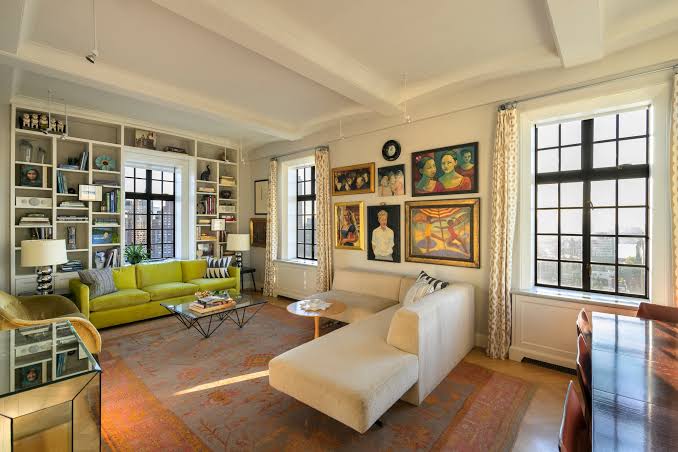
In a prewar home, the architecture is the selling point. Good luxury staging begins by identifying the details worth highlighting, such as crown moldings, coffered ceilings, original millwork, casement windows or a decorative mantel. Furniture placement should draw the eye toward those features rather than hide them. Keep walls and windows uncluttered so the craftsmanship can be seen in person and in photographs.
Blend classic and contemporary pieces
A prewar apartment furnished entirely in period antiques can feel dated, while an all-modern scheme can feel out of place. The most successful approach usually mixes the two:
Pair clean-lined sofas and chairs with a traditional rug or a classic accent piece.
Use modern lighting, such as sculptural pendants or slim floor lamps, to brighten rooms that may have limited natural light.
Choose a restrained, warm palette that complements wood floors and painted trim.
Add contemporary art to show that the space works for today’s tastes.
Clarify the layout
Many prewar apartments have formal dining rooms, maid’s rooms, long galleries or separate kitchens. Some buyers love this; others want to know how the space fits modern life. Staging can answer that question. A maid’s room can be shown as a home office or a nursery, a gallery can hold a reading nook, and a formal dining room can be staged for both everyday meals and entertaining.
Avoid covering original floors with wall-to-wall rugs or hiding windows behind heavy drapery. Smaller area rugs and simple, light window treatments let the bones of the apartment do the talking.
Address the practical concerns
Buyers of older apartments often worry about storage, kitchens and bathrooms. Even if the seller is not renovating, staging can present these rooms at their best: clear countertops, neatly styled closets, fresh towels and good lighting. When a kitchen has been updated, show it as the bright, functional heart of the home.
Work with a team that knows the city
New York buildings come with board rules, service elevator schedules and tight delivery windows. An experienced NYC staging team understands those logistics and how to stage for the expectations of buyers in neighborhoods such as the Upper East Side, the Upper West Side and Brooklyn Heights.
The takeaway
The best prewar staging respects history without feeling like a museum. By highlighting original details, mixing classic and modern furnishings and showing how each room works for today’s buyer, sellers can present a prewar apartment as a timeless, livable luxury home.