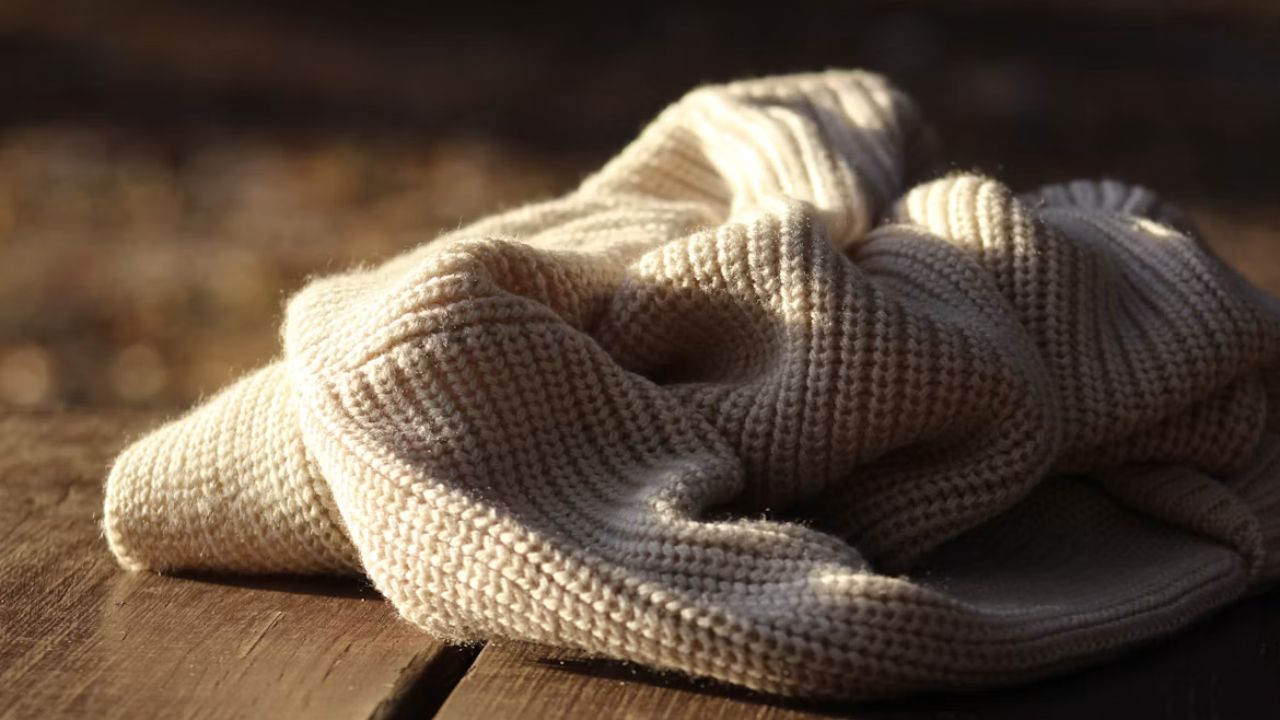
But if you wash it properly, a nice wool jumper can last for years. Wool is a warm, soft, breathable and naturally odor-resistant fiber, but it can be readily damaged by heat, rough handling or harsh detergents which can cause the fibers to shrink, stretch or lose their shape.
If you’ve ever taken a cherished jumper from the wash and discovered it two sizes smaller, you already know how unforgiving wool can be. Fortunately good treatment is not complex. Once you know how to wash a wool jumper without damaging it, you can keep your favorite knits smooth, cozy and perfectly shaped season after season.
Why Wool Sweaters Need Special Care
Wool fibers are coated with microscopic overlapping scales. Heat, moisture and friction can lock together the scales of the wool fibers, leading to felting and shrinkage. If you pull too much, you can go the other way, stretching the strands and altering the sweater’s original shape.
That’s why normal laundry practices don’t always apply to wool. Delicate knitwear can be swiftly damaged by hot water, strong wash cycles, harsh detergents and machine drying. The ideal approach to wash a wool jumper is with cool or lukewarm water, gentle washing chemicals, little movement and drying processes.
Check the Care Label Before Washing
Check the care label on your jumper before you wash it. Some wool clothing will be marked “hand wash only” while others may be machine washable on the wool or delicate cycle. Some structured or embroidered sweaters may require a professional dry cleaning.
One of the most important suggestions for caring for a wool jumper is to always read the label, since different clothes may be made of blends of wool, cashmere, alpaca, synthetic fibers or ornamental materials. Even if a machine wash is permitted, hand cleaning remains one of the safest ways to keep things in shape and soft.
How to Wash Wool Sweater by Hand
You have more control over the temperature and movement with hand washing, which can help minimize the risk of stretching or shrinking. Fill a clean washbasin or basin with cool or lukewarm water. Avoid using hot water, since the quick shift in temperature might cause the wool fibers to constrict. Add some moderate wool wash. When feasible, use a recipe that is specifically intended for wool, cashmere or fragile materials. Turn the jumper inside out and place it in water. This helps to prevent needless rubbing and pilling on the exposed surface.
Drop the jumper into the water and let soak for around 10 to 20 minutes. Do not scrape, twist or rub the fabric vigorously. Instead, wring the water out of the jumper with your hand. If your detergent requires rinsing, empty the basin and refill it with clean water. Press the jumper gently again until all the soap is gone. These easy methods are a great way to clean and protect fragile wool fibers.
Natural Wool Cleaning Methods
Wool does not have to be washed after each wearing. The material repels odors and dirt naturally, so you may only need to air out your jumper between wearings to keep it fresh. It is one of the easiest ways of cleaning natural wool and can greatly extend the life of the garment. After wearing your jumper, hang it in a well ventilated room, away from direct sunlight. The fibers circulate fresh air and aid in the elimination of light odors without the need for additional washing.
Spot cleaning can also be beneficial for tiny spots. Use lukewarm water and a little wool-safe detergent to gently blot the area. Do not scrub the stain, since this can harm the fibers. Use a soft clothing brush to remove surface dust, hair or lint between washes. Reducing the frequency of full washes also means less exposure for the jumper to water and movement.
Never Wring Out a Wool Sweater
One significant error people make while washing wool is wringing the garment to get rid of extra water. A wooly jumper seems a lot heavier when it’s wet. Wetting and wringing or taking it out might stretch the fibers and irreversibly damage the shape. Instead, carefully lift the jumper out of the water, bearing the weight with both hands.
Put it down flat on a clean towel. Roll the towel with the jumper inside it, pressing down gently. The towel will soak up the extra moisture, without putting undue pressure on the wool. If the jumper remains rather damp, repeat with another dry towel.
Wool Sweater Drying Tips
Good drying is as crucial as good washing. Do not hang a damp woolen jumper on a coat hanger. The weight of the water might pull the garment down, extending the shoulders, sleeves and body.
The safest way is flat drying. Place the damp jumper flat on a clean, dry towel or mesh drying rack. While it is still wet, mold it gently with your hands.
Match up the seams, straighten the sleeves and carefully coax the body back to its former size. One of the most critical wool jumper drying recommendations is to keep away from direct heat. Keep the jumper away from radiators, heaters, fires, hair dryers and bright sunlight. High temperatures can cause wool fibers to contract or weaken.
Why You Should Air Dry Wool Sweater
If you can, let wool jumper items air dry naturally instead of putting them in a tumble dryer. Most traditional dryers provide heat and continuous movement. That combination of factors is ideal for wool shrinkage and felting. Air drying flat not only allows moisture to evaporate slowly, but also helps the garment retain its natural structure.
Depending on the thickness of the jumper and the humidity of your home, it may take several hours or even a whole day to dry. When the top is partially dry, carefully turn the jumper over to assist the liquid evaporate evenly.
Can You Wash Wool in a Washing Machine?
Some contemporary wool sweaters are machine washable. Choose the wool, hand-wash or delicate cycle on your machine if the care label allows. These programs usually have lower temperatures and more mild activity. Place the jumper into a mesh laundry bag for further protection. Do not wash wool with heavy items such as jeans, towels or coats. These clothes could cause excessive friction in the washing machine. Most importantly, never throw the jumper from the washing to the dryer without looking.
Additional Wool Sweater Care Tips
Sweaters look better for longer when you take care of them between washing. Fold, don’t hang, wool sweaters for lengthy durations. Hangers gently stretch out the shoulders and neckline. Use a jumper comb or fabric shaver to gently remove pills rather than yanking them off with your fingers.
Always ensure wool garments are clean and dry before putting them away for several months. Food stains, oils and moisture can attract insects or cause bad odors. Keep sweaters folded in a cool, dry place and use breathable storage bags if necessary. You can also use cedar items in your seasonal storage regimen, but be careful not to place strongly scented cedar goods directly against sensitive wool.
Common Wool Washing Mistakes to Avoid
Wool can be damaged even by diligent owners. Do not use hot water, bleach, powerful stain removers or abrasive detergents. Soak sweaters for only short times, do not move the fibers back and forth excessively, and do not stretch the item when moving it to the drying area.
Another typical error is to expose wool to abrupt variations of temperature. For example, washing in warm water followed by a rapid rinse in very cold water may induce fiber shrinkage. The best outcomes are obtained by gentle, regular treatment.
Final Thoughts
Learning how to correctly wash wool jumper clothes is one of the simplest ways to take care of your favorite winter wear. Washing in cool water with a moderate detergent, handling the garment gently and drying it flat will prevent most problems of shrinking and stretching.
The best approach to wash a wool jumper is usually to wash only when necessary, address stains early, avoid excessive friction, and support the garment when it is wet. The most important thing to remember is to air dry the sections of the wool jumper flat, not hang or tumble dry. Using these simple habits and practical wool jumper care instructions, your knitwear will stay soft, pleasant and elegantly structured for many seasons.