A beautiful home doesn’t always require a huge renovation budget or months of disruptive construction. The right decoradhouse upgrade tips by decoratoradvice can help you identify the changes that actually make a difference, whether you’re refreshing one room, improving your home’s exterior, or turning an overlooked patio into a comfortable outdoor retreat.
The best upgrades usually balance appearance with everyday usefulness. Instead of following every new design trend, focus on improvements that make your home easier to live in, more welcoming, and better suited to your personal style.
Start With a Practical Home Upgrade Plan
Before buying furniture, paint, lighting, or decorative accessories, take a good look at your existing space. One of the most useful renovation tips decoradhouse homeowners can follow is to identify problems before choosing solutions.
Walk through your home and note what feels outdated, uncomfortable, cluttered, damaged, or inefficient. You may discover that a room doesn’t need a complete makeover. Sometimes changing the lighting, rearranging furniture, repainting the walls, or adding better storage can transform it.
When planning upgrades decoradhouse, divide your ideas into three categories:
- Essential repairs and maintenance
- Functional improvements
- Decorative upgrades
Addressing them in that order can prevent you from spending money on cosmetic changes while important maintenance problems remain unresolved.
Decoradhouse Upgrade Tips by DecoratorAdvice for Interior Spaces
Interior improvements work best when every change has a purpose. Rather than filling rooms with more furniture and accessories, think about how you want each space to look, feel, and function.
If you’re wondering how to decorate my house decoradhouse, begin with the elements that have the greatest visual impact. Wall colors, flooring, lighting, curtains, and major furniture pieces establish the foundation of a room.
Refresh Walls Without Overcomplicating Them
Paint remains one of the simplest ways to change a room. Warm neutrals can create a relaxed atmosphere, while carefully chosen deeper colors can add character to smaller areas or feature walls.
Among the most practical decoration tips decoradhouse from decoratoradvice is to consider natural light before choosing a color. A shade that looks perfect in a bright showroom can appear considerably darker in a room with limited daylight.
Upgrade Lighting in Layers
Good lighting should do more than illuminate a room. Combine general ceiling lighting with task lighting and softer accent lights.
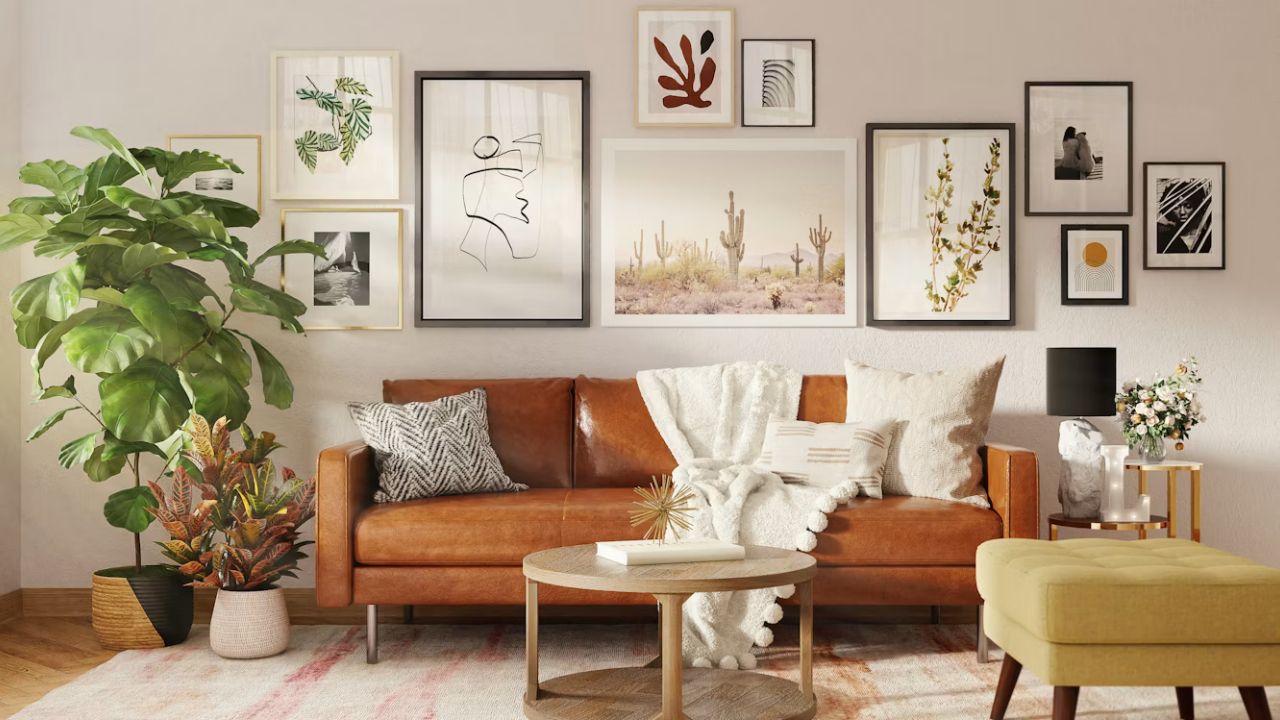
For example, a living room might include an overhead fixture, a reading lamp beside a chair, and smaller lamps that create warmth in the evening. These simple decor tips decoradhouse can make an existing interior feel noticeably more polished without major structural work.
Make Small Renovations Work Harder
Large projects aren’t always necessary. Some of the most effective renovation tips and tricks decoradhouse involve improving details that homeowners use every day.
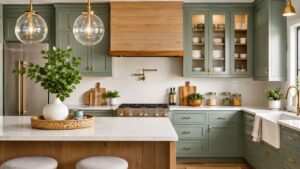
Consider replacing worn cabinet handles, dated faucets, damaged switch plates, old curtains, or inefficient storage. In kitchens and bathrooms, these relatively small improvements can create a cleaner and more current appearance.
Smart upgrading tips decoradhouse should also prioritize durability. A beautiful material that requires constant maintenance may not be the best choice for a busy household. Compare appearance, maintenance requirements, expected lifespan, and cost before making a final decision.
Use Storage as Part of Your Decorating Strategy
Clutter can make even a well-designed home feel unfinished. Built-in shelving, baskets, under-bed storage, wall-mounted units, and furniture with hidden compartments can help maintain a cleaner environment.
Useful decoradhouse renovation tips from decoratoradvice encourage homeowners to treat storage as part of the design rather than something added afterward. Choose storage solutions that complement the room’s materials and proportions.
Open shelves can display a few attractive objects, but avoid overcrowding them. Leaving some empty space gives individual pieces more visual impact and keeps the room from feeling busy.
Improve the Home Exterior Decoradhouse Style
Your exterior creates the first impression of your property, so it deserves the same attention as the interior. Improving home exterior decoradhouse doesn’t necessarily mean replacing the roof, windows, or entire façade.
Start with basic maintenance. Clean exterior surfaces, repair cracked finishes, remove damaged plants, check outdoor lighting, and refresh faded areas where appropriate. Then consider decorative improvements.
Effective home exterior hacks decoradhouse may include:
- Updating exterior light fixtures
- Repainting the front door
- Adding coordinated planters
- Improving pathway lighting
- Refreshing house numbers
- Cleaning driveways and walkways
- Creating a defined entrance
- Adding low-maintenance landscaping
These changes can help a property feel cared for without requiring a complete exterior renovation.
Choose Home Upgrades That Add Everyday Value
The best home upgrade tips decoradhouse aren’t necessarily the most expensive ones. Improvements should solve a problem, increase comfort, simplify maintenance, or make your space more enjoyable.
For example, additional kitchen storage may provide more everyday value than an expensive decorative feature. Similarly, better lighting in a home office may be more useful than replacing perfectly functional furniture.
When considering a larger decoradhouse project, ask yourself three questions: Does this improvement solve an existing problem? Will I use it regularly? Does it work with the rest of the house?
If the answer to all three is yes, the upgrade is more likely to remain valuable after the excitement of renovation has passed.
How to Renovate My Patio Decoradhouse
If you’re searching for how to renovate my patio decoradhouse, start by deciding how you actually want to use the outdoor space. A patio designed primarily for dining needs a different layout from one intended for reading, entertaining, or relaxing.
Inspect the flooring, drainage, walls, railings, and overhead structures before decorating. Repairing underlying issues first helps protect new furniture and finishes.
Next, create functional zones. Even a modest patio can include a small seating area, greenery, and lighting. Outdoor rugs and planters can visually define spaces without permanent construction.
Choose weather-appropriate furniture and materials whenever possible. Shade is equally important in sunny locations, so consider umbrellas, pergolas, awnings, or other suitable solutions based on the property and local conditions.
Balance Trends With Timeless Design
Trends are useful for inspiration, but they shouldn’t control every renovation decision. Permanent or expensive elements generally benefit from simpler, more timeless choices, while smaller accessories provide an easier way to experiment.
For homeowners asking how to decorate my house decoradhouse, this approach offers flexibility. Keep major furniture, flooring, cabinetry, and other costly features relatively adaptable. Introduce stronger trends through cushions, artwork, rugs, lamps, plants, and decorative objects that can be changed later.
FAQs
What should I upgrade first in my home?
Start with repairs, safety concerns, and functional problems. Once those are addressed, focus on high-impact improvements such as paint, lighting, storage, flooring, and frequently used rooms.
Can I renovate my house on a small budget?
Yes. Prioritize improvements that create noticeable changes without major construction. Painting, reorganizing furniture, changing hardware, improving lighting, and decluttering can make a significant difference.
How can I make my living room look more modern?
Simplify the layout, improve lighting, remove unnecessary clutter, introduce coordinated textiles, and update dated finishes. You don’t necessarily need to replace all your furniture.
What are easy ways to improve a home’s exterior?
Cleaning exterior surfaces, maintaining landscaping, updating outdoor lighting, refreshing the entrance, and adding coordinated planters are relatively straightforward ways to improve curb appeal.
How do I choose colors for a home renovation?
Consider natural light, existing flooring, furniture, room size, and adjoining spaces. Test paint samples in the actual room and observe them at different times of day before deciding.
How can I upgrade a patio without rebuilding it?
Start by cleaning and repairing the existing area. Then add suitable outdoor seating, plants, lighting, shade, and decorative accessories to create a more comfortable and defined space.
Should every room use the same decorating style?
Not exactly, but some visual connection helps the home feel cohesive. Repeating selected colors, materials, finishes, or design elements can connect rooms while allowing each space to have its own personality.
Which home renovations provide the most practical value?
Projects that improve functionality, maintenance, storage, lighting, comfort, and heavily used spaces tend to provide strong everyday value. The right priorities depend on your home’s current condition and your household’s needs.
Conclusion
Successful home improvement is less about changing everything and more about making thoughtful decisions. Begin with necessary repairs, improve functionality, and then introduce decorative details that reflect how you want your home to feel.
Whether you’re refreshing a bedroom, reorganizing the kitchen, improving curb appeal, or transforming your patio, a planned approach helps keep the project manageable. Focus on durability, comfort, proportion, and personal style, and your upgrades are far more likely to remain useful and attractive for years.