Finding small bugs in your house can be frustrating, especially when you don’t know what they are, where they came from or if they will damage your home. Some bugs are easy to spot, others are so little they look like moving dots. Different pests need different removal methods, from little insects in the kitchen to small flying bugs in homes near windows.
The good news is that you can control most common indoor bugs once you find their food source, moisture source and hiding spots. This manual will assist you to identify common microscopic pests, where they are most commonly found, and what you can do to keep them from coming back.
Why Are There Tiny Bugs in Your House?
Most domestic pests enter a home because they may find food, drink, warmth or shelter. Micro insects can come in around windows, under doors, with supermarket packages, houseplants and second hand furniture. Some bugs like wet environments . Others eat crumbs , stored meals , fabrics , mold , or other bugs . Just because you have a little bug crawling on your floor or wall doesn’t make your house dirty. Even the best-maintained homes aren’t immune to bug problems.
The first step is to locate where the insects are hanging out.
Common Types of Tiny Bugs in House
1. Tiny Beetles
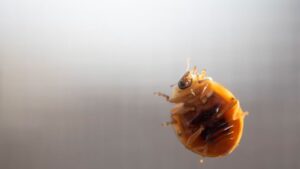
Kitchens, bedrooms, closets and storage areas may be home to several species of small insects. Examples that are common include carpet beetles, flour beetles and pharmacy beetles. Carpet beetles are very little, dark, brown or patterned insects. The larvae may harm wool, carpets, feathers and natural textiles. Pantry beetles are generally found near flour, cereal, rice, spices, pet food or dried products. If you detect them, inspect food containers closely and discard infected products.
2. Tiny Ant-Like Bugs
You might see little creatures like ants in kitchens, sinks, counters and bathrooms. These might genuinely be ants, but they can look like very little beetles or other insects at times. Ants are generally drawn by sugar, oil, food particles or wetness. Sometimes following their path will help you find the nest or access site. Wipe surfaces down well, keep food in sealed containers and patch any cracks that insects may be using to get in.
3. Tiny Mites
Some species are practically undetectable without magnification, making it difficult to spot tiny mites in houses. Mites live in locations with high humidity or around stored foods, plants, mold and animals or in fabrics. Sometimes people refer to them as minuscule bugs in houses because they may look like small moving specks, rather than evident insects. Reducing humidity and boosting ventilation, cleaning afflicted areas and removing their food source will often help manage mite numbers.
4. Tiny Flying Bugs
If you find little flying bugs around the house, the usual suspects are fruit flies, fungus gnats, drain flies or small moths. Fruit flies generally cluster around ripe fruits, rubbish bins, sweet spills or fermented food. Fungus gnats are often found around houseplants because their larvae feed on moist potting soil. Drain flies are usually found in areas around drains, sinks or showers where organic material has gathered. One of the best indicators to what the insects are is where they are found.
Why Are There Tiny Bugs Under the Fridge?
You often find little bugs hidden in fridge regions since appliances are perfect hiding spots for bugs. Insects like ants, cockroaches, beetles and other little pests are attracted to food crumbs, grease, dampness, darkness and warmth. Move the refrigerator cautiously and clean below it with a hoover and the suitable home cleaner. Watch for puddles, standing water and spaces around pipes or walls. Regular cleaning behind and beneath appliances can drastically minimize bug activity.
Little Bugs on Wall: What Could They Be?
Small bugs on walls might signify a few different types of pests. Very little insects may climb along walls toward windows or lights. Booklice are sometimes found in damp rooms with mold or mildew. Mites and other tiny insects can also travel across painted surfaces. Observe color, form, motion, size. Verify that they are clustered around plants, windows, food, moisture or furniture. These details can help a lot in the identification.
Bedroom White Bugs in House
Seeing white bugs in your bedroom can be cause for alarm but there are many pests that are harmless or easily controlled that would fit this description. Booklice are tiny, whitish insects and like humid settings. Some mites can be white or transparent also. The newly hatched insects may be many shades lighter than the adults. Look for mattresses, bed frames, windowsills, closets, carpets and walls nearby. If you are concerned about bed bugs, remember that adult bed bugs are often reddish-brown in color, not white. Young bed bugs, however, may appear lighter in color, so if there are bites or questionable stains, it may be worth getting the bugs professionally identified.
What Are Small Skinny Bugs?
Indoors, small slender bugs could be thrips, silverfish, springtails, or other narrow-bodied insects. Silverfish are long-bodied insects that are typically found in bathrooms, basements, closets and other damp spaces. Thrips are little, slender insects that may infiltrate your home from plants outdoors. Springtails are tiny, moisture-loving bugs that may leap when startled. If you see a lot of thin bugs, try lowering the moisture levels and investigate neighboring plants to find the cause.
How to Get Rid of Tiny Insects in Your Home
The best treatment will depend on the pest. There are several general approaches to controlling many different kinds of small insects. Start with a good cleaning. Vacuum baseboards, cabinets, corners, and behind furniture and appliances. Wipe up food crumbs and spills right away. Store flour, cereal, rice, pet food, and similar items in tightly closed containers. Check pantry items for bugs before returning to shelves.
Manage excess moisture. Fix leaking pipes, run exhaust fans in the bathroom and kitchen and increase ventilation in damp rooms. Check doors, windows, pipes and baseboards for gaps. Caulk up minor cracks that bugs could enter. If houseplants attract gnats or other insects do not overwater and eliminate decaying plant material.
When Should You Call Pest Control?
Not usually does a little minuscule bug need to be professionally treated. But repeated sightings could mean a bigger infestation. If you can’t identify the bug, you’ve found lots of pests, or you see damage to furniture or stored products, or you continue to encounter bugs after cleaning and prevention efforts, consider contacting a registered pest professional. Microscopic bugs in houses can look like various mites and tiny pests without magnification therefore it is especially helpful to know their professional identification.
How to Prevent Indoor Bugs
One of the greatest ways to deter bugs inside your home is to keep your home dry, clean and properly sealed. Vacuum routinely. Take out the trash frequently. Don’t leave food unprotected. Check supermarket packages. Clean under appliances. Be on the lookout for places where moisture collects. Check secondhand furniture, cardboard boxes, plants and storage objects before bringing them inside.
Final Thoughts
Finding small bugs in the home is not unusual and doesn’t necessarily signal there is a major infestation. Whether it be tiny mites in the house, tiny beetles in the house, little ant-like bugs or strange small skinny bugs, knowing where they are coming from and what is drawing them to the area is critical to fixing the issue. Look for moisture, food sources, plants, crevices, and hidden spots like small bugs under fridge spaces. Regular cleaning, appropriate food storage, moisture control and closing access points can go a long way toward reducing most domestic bug problems.
If the insects keep returning, or you’re not sure what they are, an exterminator can help to detect exactly what is residing in your house and offer the best treatment.