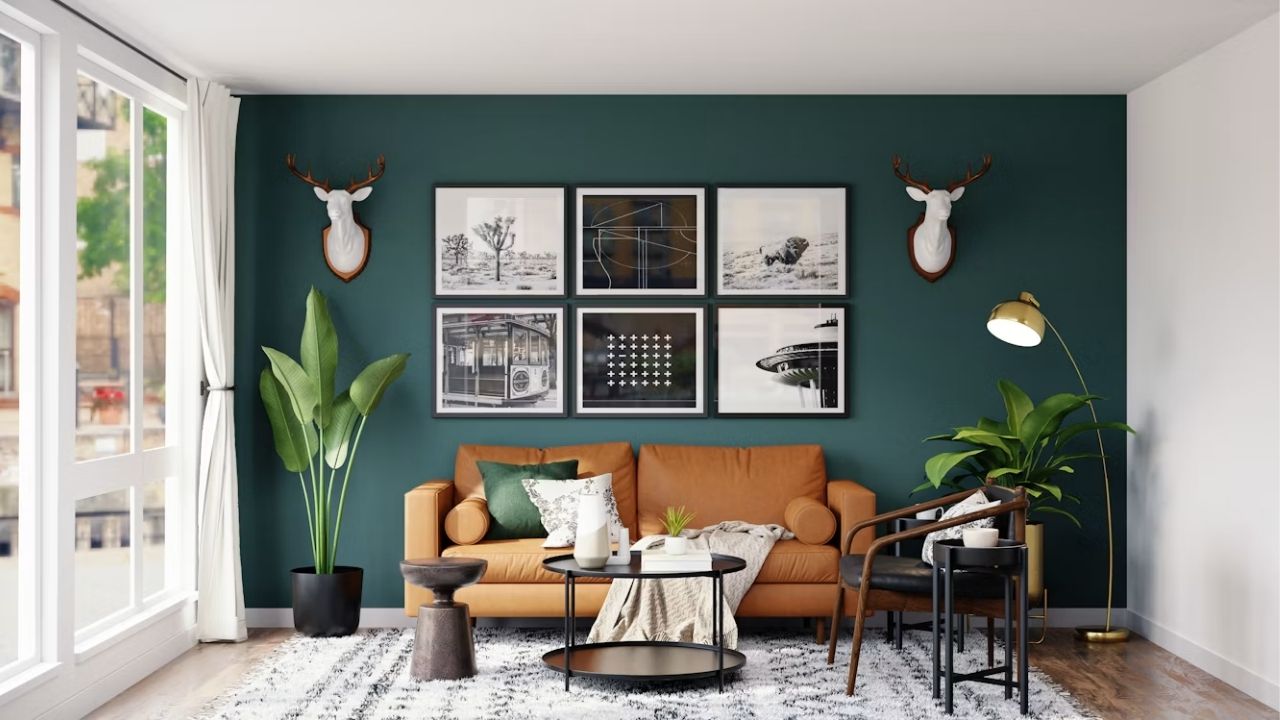
Interior design DrHomey is best understood as a practical approach to creating a home that looks attractive, feels comfortable, and supports everyday life. It combines sensible room layouts, balanced colours, suitable lighting, useful storage, comfortable furniture, and personal décor.
Unlike recognised styles such as Scandinavian, industrial, or mid-century modern, DrHomey interior design does not appear to have one formally established definition. Online home-design content generally uses the term for interiors that prioritise comfort, simplicity, functionality, and a welcoming atmosphere.
The main principle is straightforward: design each room around the people who use it rather than trying to recreate a perfect showroom.
What Is Interior Design DrHomey?
Interior design DrHomey refers to a home-styling approach in which appearance and practicality receive equal attention. A room should look coordinated, but it should also be easy to use, move through, clean, and maintain.
This approach normally includes:
- Comfortable and appropriately sized furniture
- Clear walking paths between important areas
- A balanced and consistent colour palette
- Natural and layered artificial lighting
- Practical storage that reduces visible clutter
- Textures that make the space feel warm
- Personal details that give the home character
The result is not tied to a single visual style. A DrHomey-inspired interior may look modern, traditional, rustic, minimalist, or contemporary. What matters is whether the room works well and feels pleasant to live in.
The Main Principles of DrHomey Interior Design
Start With the Room’s Purpose
Before choosing colours or decorative accessories, decide how the room needs to function.
A living room used for family movie nights requires a different arrangement from a formal sitting room. A bedroom should support rest and storage, while a home office needs comfortable seating, a suitable desk, and effective task lighting.
Ask three questions before changing a space:
- Who uses this room?
- What activities take place here?
- What currently makes the room inconvenient?
The answers will help you identify the changes that matter instead of spending money on decoration that does not solve a real problem.
Give Every Item a Reason to Be There
A well-designed home does not need to be empty, but it should avoid unnecessary clutter. Furniture and accessories should contribute to the room’s use, comfort, appearance, or personality.
If a large chair blocks movement and is rarely used, it may not belong in that position. If several small decorations make a surface difficult to clean, reducing their number could improve both appearance and maintenance.
This does not mean removing every personal possession. It means displaying meaningful items intentionally rather than filling every available surface.
Choose Furniture in the Right Proportion
Furniture must fit the dimensions of the room. An oversized sofa can overwhelm a small living area, while small furniture may appear disconnected in a spacious room.
Measure the available area before making a purchase. Record the width, height, and depth of the proposed furniture and check:
- Door and hallway dimensions
- Space needed to open cupboards and drawers
- Walking clearance around furniture
- Window and radiator positions
- Electrical socket locations
- The relationship between neighbouring pieces
Using masking tape to mark the dimensions on the floor is a simple way to understand how much room an item will occupy.
Creating a Balanced Colour Palette
A coordinated colour scheme helps separate furniture and decorations feel like parts of the same interior.
Start with one main neutral or subdued colour for the largest surfaces. Add one or two supporting colours through furniture, curtains, rugs, or bedding. A smaller accent colour can then appear in artwork, cushions, ceramics, or other accessories.
Useful combinations include:
- Warm white, beige, muted green, and natural wood
- Soft grey, navy, off-white, and brass
- Cream, terracotta, olive, and dark brown
- Pale blue, white, light oak, and charcoal
- Taupe, dusty rose, walnut, and black
The colours do not have to match exactly. They should share a similar temperature and intensity so the room feels connected.
Before painting an entire wall, test samples in different areas. Natural and artificial light can make the same colour look noticeably different throughout the day.
Use Lighting in Layers
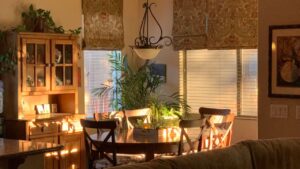
One ceiling light is rarely enough to make a room both practical and inviting. Effective interior lighting normally combines three layers.
Ambient Lighting
Ambient lighting provides general illumination. Ceiling fixtures, recessed lights, and larger pendants are common examples.
Task Lighting
Task lighting supports a particular activity. Examples include a reading lamp beside a chair, pendant lights over a kitchen island, and a desk lamp in a home office.
Accent Lighting
Accent lighting highlights architectural features, artwork, shelving, or decorative objects. Wall lights and small directional fixtures can perform this role.
Bulbs in the same room should generally have compatible colour temperatures. Mixing very warm and very cool light without a clear reason can make the interior feel inconsistent.
Natural light should also be considered. Avoid placing large furniture where it unnecessarily blocks windows, and use window coverings that provide the required balance between daylight, privacy, and glare control.
Add Warmth Through Texture
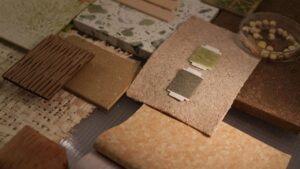
A neutral room can still feel interesting when it contains varied textures. Instead of adding many colours, combine materials that reflect light and feel different to the touch.
Possible textures include:
- Wood
- Linen
- Cotton
- Wool
- Leather
- Rattan
- Ceramic
- Stone
- Brushed metal
- Textured plaster
A living room might combine a woven rug, linen curtains, a wooden table, ceramic accessories, and soft cushions. The palette can remain simple while the different surfaces prevent the space from feeling flat.
Plan Storage Around Daily Habits
Storage is most effective when it is placed close to where an item is normally used.
Shoes and coats need storage near the entrance. Cooking utensils should be accessible from food-preparation areas. Chargers, remote controls, and frequently used devices need a defined place in the living room.
A mixture of open and closed storage usually works better than relying entirely on one type:
- Closed cabinets hide practical items and visual clutter.
- Open shelves display books, plants, photographs, and selected objects.
- Baskets organise smaller belongings.
- Furniture with integrated storage saves space in compact homes.
- Drawer dividers prevent frequently used items from becoming mixed together.
DrHomey interior design is not simply about hiding possessions. It is about creating an organisational system that is easy to maintain.
DrHomey Interior Design Ideas by Room
Living Room
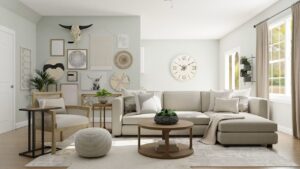
Begin with the main activity and arrange the furniture accordingly. Seating should support conversation without blocking the route through the room.
A rug can help define the seating area, particularly in an open-plan home. Whenever possible, choose a rug large enough to visually connect the main furniture rather than leaving it isolated in the centre.
Use a combination of ceiling, floor, and table lighting. Add a limited number of personal details, such as framed photographs, books, artwork, or items collected during travel.
Bedroom
The bedroom should feel calm and easy to maintain. Position the bed where it does not interfere with doors, drawers, or the main walking path.
Choose bedding that is comfortable for the climate rather than selecting it only for appearance. Bedside lighting should be accessible from the bed, and storage should accommodate the clothing and personal items actually kept in the room.
A restrained colour palette, practical curtains, and fewer visible objects can help produce a quieter atmosphere.
Kitchen
In the kitchen, usability should guide every decision. Store frequently used items near the area where they are needed and keep worktops as clear as practical.
Task lighting is particularly important above counters, sinks, and cooking areas. Materials should be selected for resistance to moisture, heat, stains, and routine cleaning—not simply because they look attractive in photographs.
If a complete renovation is not possible, smaller improvements such as replacing handles, updating lighting, organising cabinets, or repainting suitable surfaces can still change the room considerably.
Bathroom
Bathroom design needs to account for water, ventilation, privacy, storage, and safe movement.
Use materials intended for damp environments. Keep everyday toiletries accessible without allowing every surface to become crowded. Mirrors and suitable lighting can help a smaller bathroom feel more open, but practical ventilation remains more important than decoration.
Electrical, plumbing, waterproofing, and structural work should be handled by appropriately qualified professionals where required.
Home Office
A functional home office needs more than an attractive desk. The chair, work surface, lighting, screen position, sockets, storage, and background noise can all affect how well the space works.
Place the screen to minimise glare and provide task lighting that does not create distracting reflections. Keep frequently used equipment within comfortable reach and manage cables so they do not obstruct movement.
Applying the DrHomey Approach in a Small Home
Small spaces benefit from careful editing and accurate measurements. Filling a compact room with several undersized pieces does not always make it look larger. In many cases, fewer properly proportioned items create a calmer result.
Useful small-space strategies include:
- Selecting furniture with more than one function
- Using vertical storage where appropriate
- Keeping important walking routes clear
- Choosing furniture with visually lighter profiles
- Using mirrors where they can reflect useful light
- Extending curtains above and beyond the window frame
- Limiting unnecessary floor-standing decorations
- Maintaining a consistent palette between connected rooms
Avoid purchasing storage furniture before deciding what it needs to hold. Additional cabinets can consume valuable floor space without correcting the underlying organisation problem.
Budget-Friendly Ways to Improve Your Interior
A comfortable home does not always require major construction or expensive furniture. Begin with changes that improve function and visual order.
You can:
- Remove items that no longer serve a purpose.
- Rearrange existing furniture to improve movement.
- Move decorations between rooms.
- Replace damaged or inconsistent lighting.
- Introduce cushions, curtains, or a rug in a coordinated palette.
- Repair items before automatically replacing them.
- Repaint one suitable area instead of redesigning the entire room.
- Add organisers inside existing drawers and cupboards.
- Update small hardware such as handles where appropriate.
- Display fewer, more meaningful decorative objects.
Make one change at a time and assess its effect. This reduces unnecessary spending and helps prevent the room from becoming a collection of unrelated purchases.
Common Interior-Design Mistakes to Avoid
Following Trends Without Considering Your Lifestyle
A design trend may look attractive online but perform poorly in your home. Consider cleaning, maintenance, durability, storage, children, pets, and daily routines before adopting it.
Buying Furniture Without Measuring
An item may fit physically but still restrict movement or make the room feel unbalanced. Check both the furniture dimensions and the space required to use it comfortably.
Using Only One Light Source
A single ceiling fixture can create shadows and make the room feel harsh. Add task and accent lighting where those layers have a practical purpose.
Decorating Before Solving Functional Problems
New accessories cannot correct poor furniture placement, insufficient storage, or unsuitable lighting. Address these issues first.
Making Every Item a Focal Point
When several colours, patterns, and statement pieces compete for attention, the room can feel unsettled. Choose one main feature and allow the remaining elements to support it.
Copying a Showroom Exactly
A showroom is arranged to present products, not necessarily to support everyday routines. Use it for inspiration, but adapt every choice to your space and needs.
When Should You Hire an Interior Designer?
A DIY approach may be sufficient for furniture arrangement, colour selection, storage improvements, and decorative updates. Professional help becomes more valuable when a project involves:
- Structural alterations
- Major kitchen or bathroom work
- Bespoke joinery
- Complex lighting plans
- Space planning for accessibility
- Multiple contractors
- Building or planning requirements
- A substantial renovation budget
Before hiring anyone, review their relevant portfolio, qualifications where applicable, scope of work, fee structure, proposed timeline, and contractual terms. Requirements and professional titles can vary by location, so homeowners in the UK and USA should check the rules that apply to their specific project.
Frequently Asked Questions
Is interior design DrHomey an official design style?
It is better treated as an informal, practical approach to home styling rather than a formally defined movement such as Art Deco or mid-century modern. The term is generally associated with comfort, functionality, simple organisation, balanced décor, and personalised living spaces.
Is DrHomey interior design suitable for small apartments?
Yes. Its emphasis on proportion, clear movement, practical storage, lighting, and multifunctional furniture is particularly useful in compact homes.
Does a DrHomey interior have to be modern?
No. The principles can be applied to modern, traditional, rustic, transitional, or eclectic homes. The aim is to create a coordinated space that supports daily life.
How can I make my home feel more comfortable?
Start by improving furniture placement, lighting, temperature, storage, and seating comfort. After solving those practical issues, introduce soft materials, coordinated colours, and meaningful personal details.
How can I contact DrHomey com?
Searchers should be cautious about assuming that every page using the DrHomey name belongs to one official interior-design company. Verify the exact website address, its genuine contact page, business identity, location, and service information before submitting personal details or paying for a service. Avoid relying on contact information copied by unrelated third-party websites.
Final Thoughts
Interior design DrHomey offers a useful way to think about home improvement: function first, comfort always, and decoration with purpose.
Start by identifying what does not work in each room. Improve the layout, lighting, storage, and furniture proportions before purchasing more accessories. Then introduce colour, texture, artwork, and personal belongings gradually.
A successful interior does not need to follow every trend or look perfect in photographs. It needs to feel balanced, welcoming, and practical for the people who live there.