Finding a little bug in your bed or on your baseboards can throw anyone into a panic attack. Bed bugs and baby cockroaches are two of the most common mistaken pests. It can be perplexing at first look to compare a baby roach to a bed bug, as they are both little, brown insects that you commonly see in similar spots around your home. Here’s a breakdown of exactly how to identify a bed bug from a newborn cockroach so you know what you’re actually dealing with and how to respond.
Why People Confuse Bed Bug Baby Cockroach Sightings
Most people have never seen either pest up close before they infest. Bed bugs and baby cockroaches can be easily confused because they are both little insects that move swiftly and tend to hide in gaps, seams and dark areas. Panic and bad lighting make that even tougher to distinguish on the scene.
The good news is that knowing what to look for makes it a lot easier to discern the difference between baby cockroaches and bed bugs. These two insects differ in appearance, color, movement, and in their preferred hiding locations.
Body Shape and Size
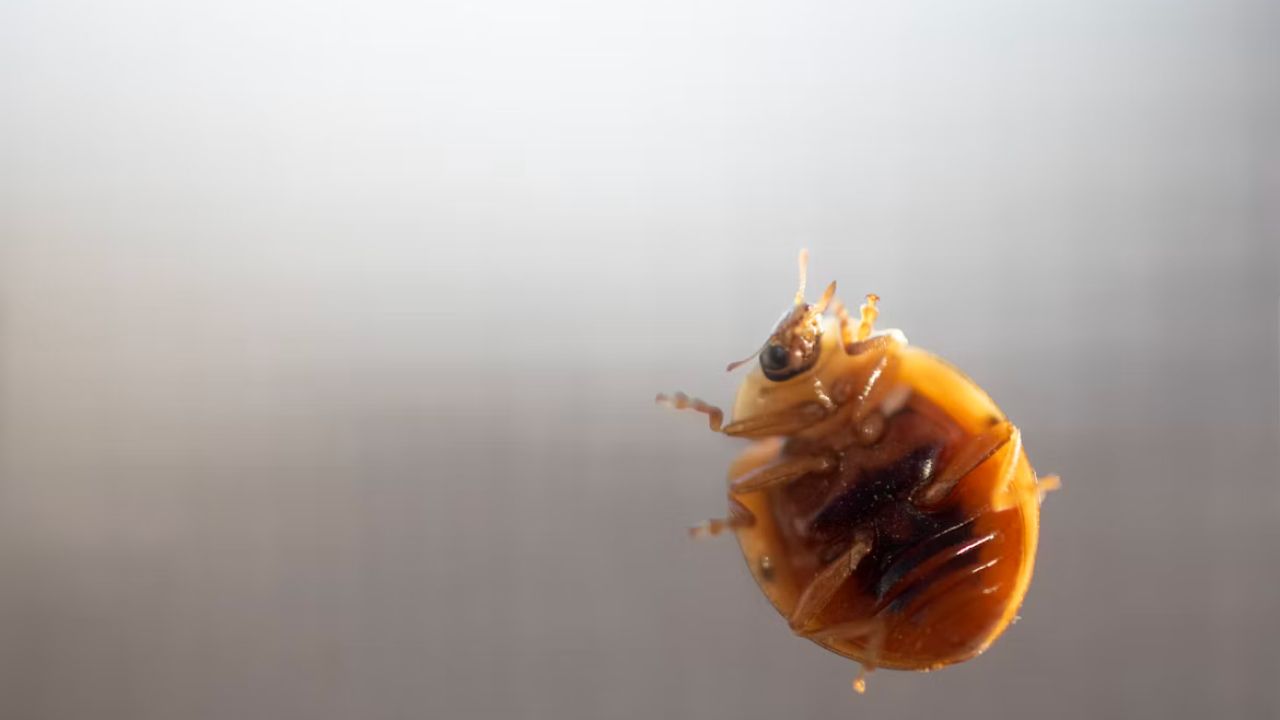
One of the quickest ways to answer a bed bug baby cockroach inquiry is to take a good look at the body shape. Bed bugs are flat and oval, almost like a little apple seed. Younger bed bugs are smaller and lighter in color, but their shape doesn’t change much with age. A newborn bed bug is almost transparent and approximately the size of a poppy seed. Some people searching to identify what they found looked up bed bug newborn baby cockroach.
A newborn roach, in contrast, has a longer, more elongated body, with visible segments. Even very young roaches already have the beginnings of the shape you would recognize in an adult cockroach, just smaller, and typically lighter in color until their exoskeletons darken with maturity.
Color Differences
Another helpful tip to tell a baby roach apart from a baby bed bug is color. When extremely young, bed bugs are practically translucent or pale yellow. When fed and adult, they are a deep reddish brown. They’re usually blotchy in hue, especially after a fresh blood meal when they look bloated and darker in the middle of the body.
Baby cockroaches are normally a good tan, light brown, or grayish depending on the species. They are usually more consistent in color over the body without the inflated, blood filled appearance bed bugs can have after eating.
Legs and Movement
In a bed bugs vs baby roaches comparison, movement is typically the giveaway before you even get a really close look at color or shape. Bed bugs have short thick legs and crawl slowly and laboriously. They don’t jump or fly, or scamper across a surface fast. Almost probably not a bed bug. If it scoots off quickly as soon as the light comes on, it is not a bed bug.
Baby roaches have longer legs in proportion to their body and travel swiftly. When disturbed roaches will scatter fast, generally running toward the nearest dark spot. One of the best indicators that you’re seeing a roach and not a bed bug is this speed and nervous behavior.
Where Each Pest Is Usually Found
Location is a big deal in trying to identify a bed bug baby cockroach sighting. Bed bugs prefer to hang around near where people sleep or sit. They like to hide between mattress seams, box springs, headboards, couch cushions and gaps in neighboring furniture. They rarely stray from a constant food supply, which for them is a sleeping person.
Baby cockroaches are not attracted to a specific sleeping place, but to moisture, warmth and food. They are often found in kitchens and bathrooms, under sinks, behind appliances, and close to drains. If you find the bug by food crumbs or a wet spot, instead of your bed, a roach is much more likely than a bed bug.
Signs You Are Dealing With Bed Bugs
Besides the bug itself, there are a few more indicators that lead to bed bugs and not roaches. Common indicators of a bed bug problem include little reddish or rust colored stains on sheets, tiny dark spots that look like ink dots along mattress seams and small itchy bite marks in a line or cluster on your skin.
Signs You Are Dealing With Baby Cockroaches
Roach infestations tend to come with their own set of clues. A musty, oily smell in the affected area, small dark droppings that resemble ground coffee or black pepper, and sightings that increase at night when the lights are off are all signs pointing toward cockroaches rather than bed bugs.
What to Do Once You Know Which Pest You Have
Once you have read the baby cockroach vs bed bug comparison and identified which pest you are dealing with, the next stages are drastically different. For bed bugs, concentrate on washing and heat treating bedding, vacuuming mattress seams and furniture thoroughly, and possibly getting expert heat treatment if the infestation has extended beyond one room. Bed bugs are notoriously difficult to get rid of and store purchased sprays alone aren’t enough.
You may get a handle on baby cockroaches by sealing their avenues of entrance, eliminating sources of food and water, cleaning up crumbs and spills quickly, and using bait stations where you have seen activity. Getting to them early is really helpful since roaches reproduce quickly.
Final Thoughts
It is very common to mistake a bed bug for a baby cockroach, especially if you only catch a glance of the bug. The two can be easily distinguished by the body shape, color, movement and where you found it. Taking fast action and properly recognizing the pest are the first steps to addressing the problem for good if you’re fighting bed bugs or baby roaches. For a large-scale infestation or if the problem persists, your best bet is to call in a registered pest control professional to do a complete examination and treatment plan.