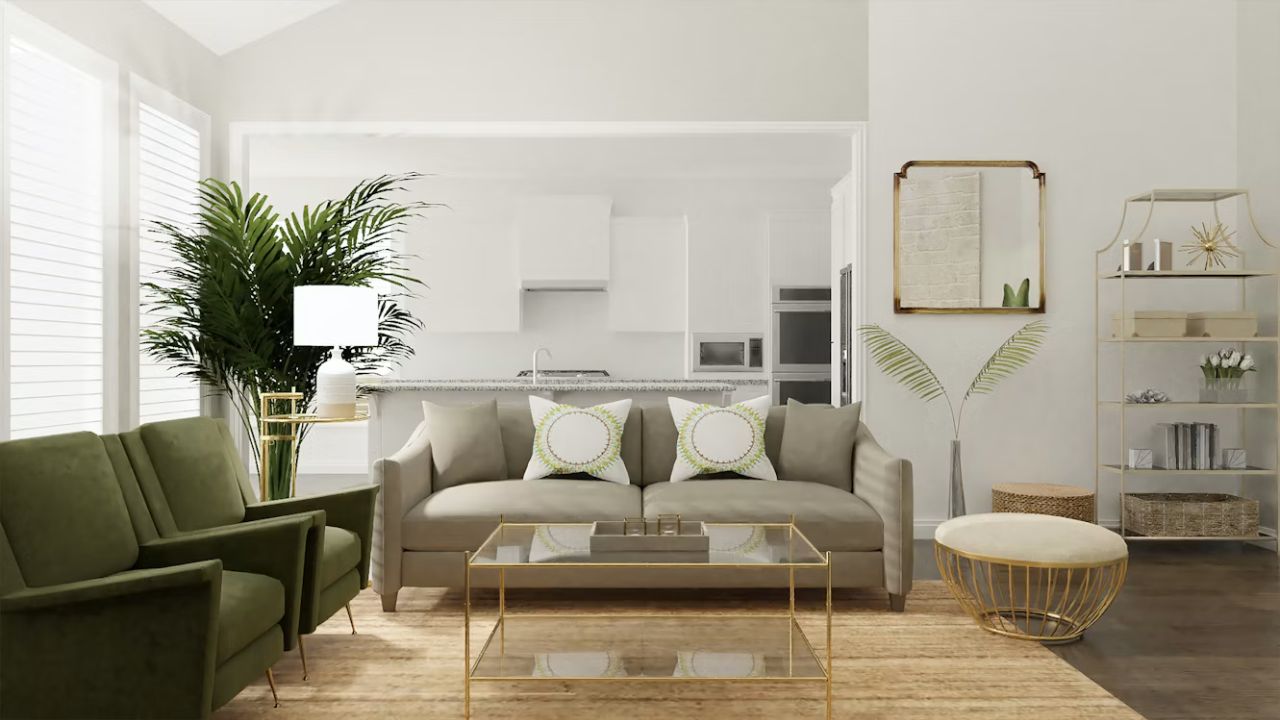
Building a dream house takes more than purchasing gorgeous furniture or following the latest trends. A good house design should incorporate comfort, utility, personality and visual harmony. Whether you’re building new, renovating or simply updating a room, careful planning can help you create a place that feels inviting and works well for day-to-day living.
From designing a functional layout to picking furniture, lighting, colors and decorative accents, every decision made affects the final effect. In this guide, we’ll provide some helpful home design ideas and practical interior design recommendations to help you plan a fashionable and comfortable home.
Start With a Clear Home Design Plan
Before you buy furniture or choose paint colors, consider how you want your home to work. Successful home design starts with knowing your lifestyle. Think about how many people live in the home, which rooms are most trafficked, how much storage you need and whether you want open or clearly segregated spaces. For example, families may appreciate sturdy furniture and versatile storage, but a single person may prefer leisure areas, a home office, or multi-use spaces.
You can experiment with layouts with the help of a professional house designer or one of the many online home design tools before you make permanent modifications. You can also try an online home designer to play around with furniture placement, space measurements and other design ideas. Making plans upfront can help you avoid costly mistakes later.
Choose an Interior Design Style
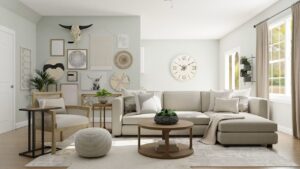
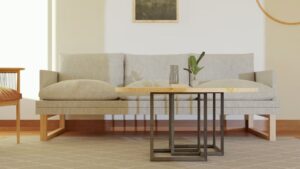
Select an overall direction for your interior design. It’s one of the easiest methods to achieve consistency. Having a defined visual theme, even if it doesn’t fit into a formal category, makes it easier to choose furniture, materials and accessories. Modern rooms frequently include clean lines, simple furnishings, neutral colors and spaciousness. You’ll find warm woods, detailed furniture, rich fabrics and classic decorating touches in traditional homes. Scandinavian interiors are all about natural light, functional furniture, soft hues and simplicity.
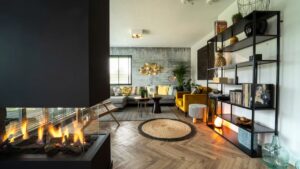
Contemporary design interiors allow you to mix modern materials with comfy textures and carefully picked statement items. If you don’t know where to begin, you can get inspired by flipping through an interior design magazine, home decor magazine or home and decor magazine. Browsing through interior design periodicals can also help you uncover consistent designs, colors and materials that appeal to you.
Plan the House Interior Design Around Function
Beautiful rooms should be functional too. Good house interior design takes into account how people interact and flow through each space. Arrange living room furniture for natural conversation flow and clear passageways. In bedrooms, concentrate on comfort, storage and pleasant lighting. Kitchens need to allow for efficient circulation between cooking, cleaning, preparation and storage spaces.
In designing the inside of a house, you may choose to think about daily activities before decorative features. A pretty space that is hard or annoying to utilize will rapidly become a pain in the butt. This notion is particularly crucial in residential home interior design, because the spaces have to serve the realities of daily living, not only appear good in images.
Create a Consistent Color Palette
Color plays a huge part in the mood of a place. Neutral colors like white, cream, beige, gray, and warm earth tones can offer a soothing backdrop. Then you can integrate stronger colors with pillows, artwork, rugs, curtains or accent furniture. You should try to select 3 basic categories of color to develop a balanced home interior design: a base color that is dominant, a secondary color that is supporting and one or two accent hues.
You don’t need to utilize the same colors for all rooms. Use related colors and materials throughout the house instead. It helps join individual rooms together and nevertheless each room has its own identity.
Make Lighting Part of the Design
Lighting may modify the look of house interior designs drastically. Even elegantly designed rooms might look flat when they depend on one ceiling fixture. Combine different types of illumination. General lighting provides light for the space, task lighting is used for doing things like cooking or reading, while accent lighting can be used to showcase artwork, shelves, architectural features or decorative objects.
When designing interior designs for residential spaces, natural light should also be taken into consideration. Do not obstruct windows needlessly, and use mirrors to reflect daylight into darker spaces. Warm lighting can make a bedroom or living area feel more intimate, whereas brighter lighting is usually more functional in a kitchen, bathroom, or workspace.
Select Furniture That Fits the Space
Successful home decor design is about proportion. vast furniture can dominate a small room, whereas modest pieces can disappear in a vast room. Take measurements for rooms, doorways, windows and wall space before you buy big furniture. Consider both movement and appearance. There should be adequate areas for people to walk easily past tables, sofas, mattresses and storage containers.
If you are looking at designer home decor, don’t buy something just because it is in fashion. Select furniture and accessories that will work in your space and have real value. Experienced house interior designers and home interior designers prefer to establish equilibrium by varying heights, shapes, and textures, rather than cramming rooms with matching furniture sets.
Add Texture and Personality
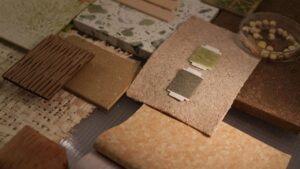
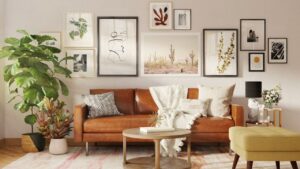
A stunning home design inside should seem personal, not like something straight out of a showroom. Decorative accents let you add flair to a room without changing the whole area. Imagine mixing wood with cotton, linen or wool; perhaps stone with glass, ceramics or metal. Layering diverse textures can make neutral environments feel warmer and more visually intriguing.
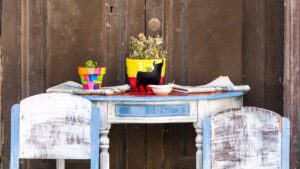
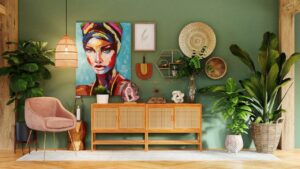
Artwork and photographs, books, plants, homemade objects and travel souvenirs can all help to make a property feel more personalized. Personal belongings frequently give a home its character, however carefully chosen designer home decor can provide focal points as well. The interior design of a home should be about creating spaces that are authentic to the people who live in them.
Use Storage as Part of Your Interior Design
Even the most beautiful interior design can be swiftly ruined by clutter. Smart storage is a great way to keep things tidy and neat. You may make the most of your space with built-in cabinets, floating shelves, under-bed drawers, storage benches, baskets and multifunctional furniture. Vertical storage is especially good for smaller homes and apartments.
In the case of custom house interior design, storage can be built into the architecture from the beginning. Custom shelves, fitted wardrobes, kitchen cabinetry and concealed storage can offer a more seamless look.
Find Inspiration Without Copying Everything
Today, there is no shortage of inspiration. A house design magazine, flat decor magazine or interior design digital journal can introduce you to new materials, layouts and decorating techniques. You can also browse an interior website, online galleries, renovation resources and home decorating magazines on the web. If you’re planning on significant changes, traditional remodeling magazines, custom house magazines, and the top home design magazines can be especially beneficial.
Even a free home magazine resource can offer helpful inspiration for colors, room layouts, furniture placements and seasonal decor. But inspiration should be tailored to your own house. What seems wonderful in a big house, properly photographed, may not translate to a smaller area, or your lifestyle.
Design for the Future
But while creating new house decor, don’t stop at trends. Timeless options are generally more practical because major features like flooring, cabinetry, worktops, and permanent fixtures are expensive to repair.
Instead, you can incorporate trends with smaller objects such as pillows, lamps, artwork, rugs and decorative accessories. These parts are easier and less expensive to change. A sound house and design approach marries contemporary style with long-term utility. This is particularly useful when you engage in custom home interior design or a large remodel.
Final Thoughts
Creating the home of your dreams doesn’t mean following every decorating rule or buying the most expensive furniture. Successful home design begins with knowing your space, lifestyle and personal preferences. Look to an interior design magazine, home design book or internet resource for ideas, but tailor each idea to your personal needs. The most attractive home interior design is one that is alluring and makes everyday life more comfortable. A little bit of thinking and your own personal flair can turn a run-of-the-mill property into a home that seems like your own.