The lush green yard has always been the emblem of a lovely home landscaping, but the typical grass lawn requires a lot of maintenance, watering and chemical treatments. Recently, a number of homeowners have turned to a natural, sustainable alternative: a clover lawn. It is soft to the touch , green , and easy to maintain . Clover has been a favorite choice for creating a pretty outdoor setting .
There are several benefits of clover yard. It uses less water, improves the soil quality and promotes pollinators like bees. Clover can be a practical and environmentally beneficial alternative whether you are replacing an existing lawn or designing a new landscape.
What Is a Clover Lawn?
A clover lawn is a yard that has mostly clover plants instead of the normal turfgrass. Clover is a low growing ground cover that will spread spontaneously to produce a thick green carpet over outdoor areas. Common kinds include white clover and microclover, which are recognized for their hardiness and appealing look.
Clover can handle moderate foot activity and grows well in a variety of soil conditions unlike typical grass. It remains green while many grass lawns are starting to brown out, making it an attractive alternative for homeowners searching for a dependable landscape solution. Many people like clover grass because it provides the beauty of a typical lawn with the benefits of a more sustainable plant. It offers a comfortable surface for outdoor activity and lessens the need for continuous mowing and maintenance.
Benefits of Growing Clover Grass
Easy maintenance is one of the key benefits of clover grass lawn designs. Traditional grass needs to be fertilized, watered, weeded and mowed regularly. But Clover fixes Nitrogen with the help of its root system which helps in improving the soil fertility. If you are a homeowner who wants to go green, try clover instead of grass. Some of the primary benefits of clover:
- Less irrigation Less watering: Clover is more drought resistant than many grass species .
- Natural fertilization: Clover enriches the soil with nitrogen, hence decreasing the demand for chemical fertilizers.
- Fewer weeds: A lush clover grass can keep undesirable plants from taking over.
- Pollinator-Friendly Clover Flowers are a great source of food for bees and other useful insects.
- Reduced mowing: Clover tends to be shorter than conventional grasses.
What Does a Clover Lawn Look Like?
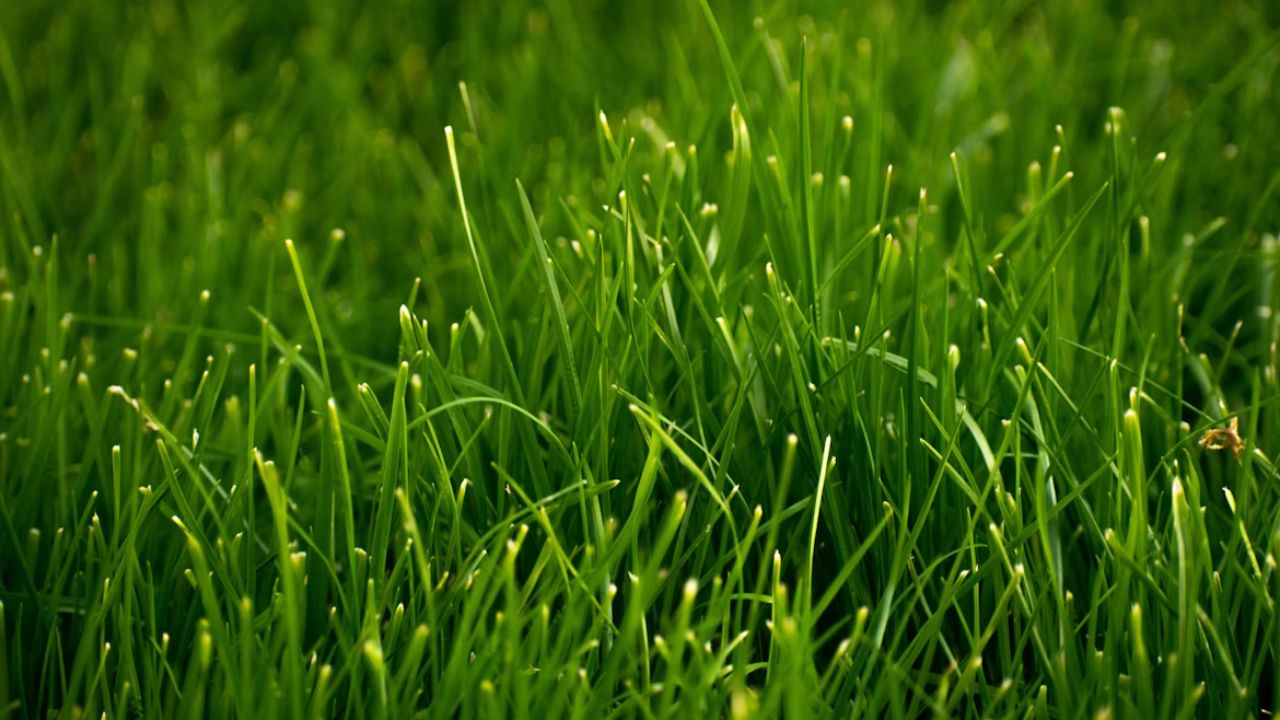
“What does a clover lawn look like?” is a question many homeowners ask. A healthy clover lawn is often a lush, bright green carpet dotted with little spherical leaves. During blossoming periods, you may notice little white or pink flowers appear, which offer a natural beauty and attract pollinators.
Clover is a little different and has a softer touch than regular grass. The leaves have a special design and make the garden look fresh and natural. Some homeowners like the charming meadow aspect of clover because it looks less artificial and more natural. A carefully mown clover grass can be tidy, beautiful and quite attractive. With the right care it can look much like regular grass but requires fewer resources to maintain.
Clover Ground Cover for Sustainable Landscaping
This plant makes a great ground cover for clover, giving a nice cover where normal grass has a hard time. Clover is a great landscaping alternative. It can grow in poor soil, partial shade, and changing moisture conditions. Many gardeners use clover as a ground cover around trees, walkways and garden beds. Its spreading growth habit protects the soil against erosion and produces a smooth transition between landscape regions. Since clover naturally enhances the health of the soil, plants growing around it can benefit. It is a great addition to environmentally friendly gardens as it adds nutrients.
Clover Lawn vs Grass: Which Is Better?
Clover lawn vs grass is a matter of personal preference, climate and upkeep goals. Conventional grass lawns are recognizable and can withstand extensive use, but require more maintenance. Clover lawns, in contrast, are a great option for homeowners who desire a low-maintenance, environmentally friendly choice. Many homeowners choose a blend of grass and clover to get the best of both. Mixed lawns are hardier and easier to care for.
How to Create a Clover Lawn
Getting a clover lawn underway is simple if you do it right. Step one is soil preparation. First remove any weeds currently in the area, then loosen the surface. Clover seed is quite small and hence should be scattered uniformly over the area.
When To Grow Clovers. The optimum time to grow clover depends on your local climate but many gardeners opt for spring or early autumn when temperatures are mild. Keep the soil slightly damp after planting so the seeds can grow strong roots. When the clover starts growing, regular mowing will help it look fuller. Compared to a regular grass yard, most clover lawns require little care.
Before and After Clover Lawn Transformation
A before and after clover lawn transformation can highlight the striking difference this plant can make. A neglected or suffering grass yard can be converted into a vibrant green landscape with greater coverage and soil health. Many yards will have dry spots, weeds and areas where grass won’t grow before they convert. Homeowners that introduce clover frequently see a larger, more vibrant look and a more natural outside landscape. These changes show why more and more people are turning to clover yards instead of traditional landscaping approaches.
Caring for Clover Yards
Proper care helps maintain clover health and appeal, while it takes less upkeep. Regular mowing makes it look even and it grows with occasional soaking under extreme drought conditions. Stay away from broadleaf weed killers which can damage your clover plants. Otherwise, focus on maintaining healthy soil and letting the clover grow in competition with the undesired plants. A healthy clover yard may be pretty for years without much work, making it a good choice for busy households.
Final Thoughts
A clover lawn is a gorgeous, practical and sustainable alternative to regular grass. Clover has several benefits for today’s households, including its capacity to improve the soil, conserve water, and produce a naturally green landscape. Whether you’re thinking about replacing grass with clover, using it as ground cover, or completely redoing your lawn, this versatile plant can help you create an impressive outdoor setting. Clover lawns continue to be a popular choice as a sensible option for beautiful, sustainable yards as more people turn to eco-friendly landscaping alternatives.