Introduction
Every once in a while, a term appears that sparks curiosity, confusion, and excitement all at once. tseacoets is one of those rare concepts that seems unfamiliar at first—but quickly reveals surprising depth the more you explore it.
If you’ve come across tseacoets recently, you’re not alone. More people are trying to understand what it is, why it matters, and how it fits into the bigger picture of modern digital evolution. Whether you’re a curious learner, a professional, or simply someone who loves staying ahead of trends, understanding tseacoets can give you a meaningful edge.
In this guide, we’ll break down everything about tseacoets in a way that feels natural, clear, and genuinely useful—no jargon, no fluff, just real insight.
What Is tseacoets?
At its core, tseacoets refers to a structured approach or conceptual framework that blends innovation, adaptability, and strategic thinking within evolving systems. While the exact interpretation may vary depending on context, it generally represents a forward-thinking methodology designed to improve efficiency and outcomes.
Key Characteristics of tseacoets
- Adaptive by nature
- Focused on optimization
- Driven by innovation
- Scalable across industries
- Rooted in practical application


Understanding tseacoets means looking beyond definitions and focusing on how it behaves in real-world scenarios. It’s less about rigid rules and more about flexible thinking.
Why tseacoets Matters Today
In a rapidly changing world, static systems often fail to keep up. This is where tseacoets becomes especially valuable.
The Growing Need for Adaptive Systems
Modern environments demand:
- Faster decision-making
- Continuous improvement
- Better resource management
- Seamless integration of new ideas
tseacoets helps bridge the gap between traditional approaches and modern demands.
Real-World Relevance
From businesses to technology ecosystems, tseacoets is increasingly being applied to:
- Improve workflows
- Enhance innovation cycles
- Streamline complex processes



As industries evolve, the importance of tseacoets continues to grow, making it a concept worth understanding deeply.
Core Principles Behind tseacoets
To truly grasp tseacoets, it’s helpful to break it down into its foundational principles.
1. Flexibility Over Rigidity
Unlike traditional systems, tseacoets thrives on adaptability. It allows room for change without disrupting the entire structure.
2. Continuous Optimization
Rather than aiming for perfection once, tseacoets encourages ongoing improvement.
3. Integration of Ideas
It combines multiple perspectives, tools, and approaches into one cohesive framework.
4. Efficiency with Purpose
Every action within tseacoets is aligned with a clear goal, reducing waste and maximizing output.
Applications of tseacoets Across Industries
One of the most interesting aspects of tseacoets is its versatility.
Technology and Digital Systems
In tech environments, tseacoets supports:
- Agile development
- Scalable architecture
- Efficient data handling
Business and Strategy
Organizations use tseacoets to:
- Improve decision-making
- Optimize operations
- Enhance customer experience
Education and Learning
Even learning systems benefit from tseacoets by:
- Encouraging adaptive learning
- Personalizing educational experiences
- Promoting continuous growth

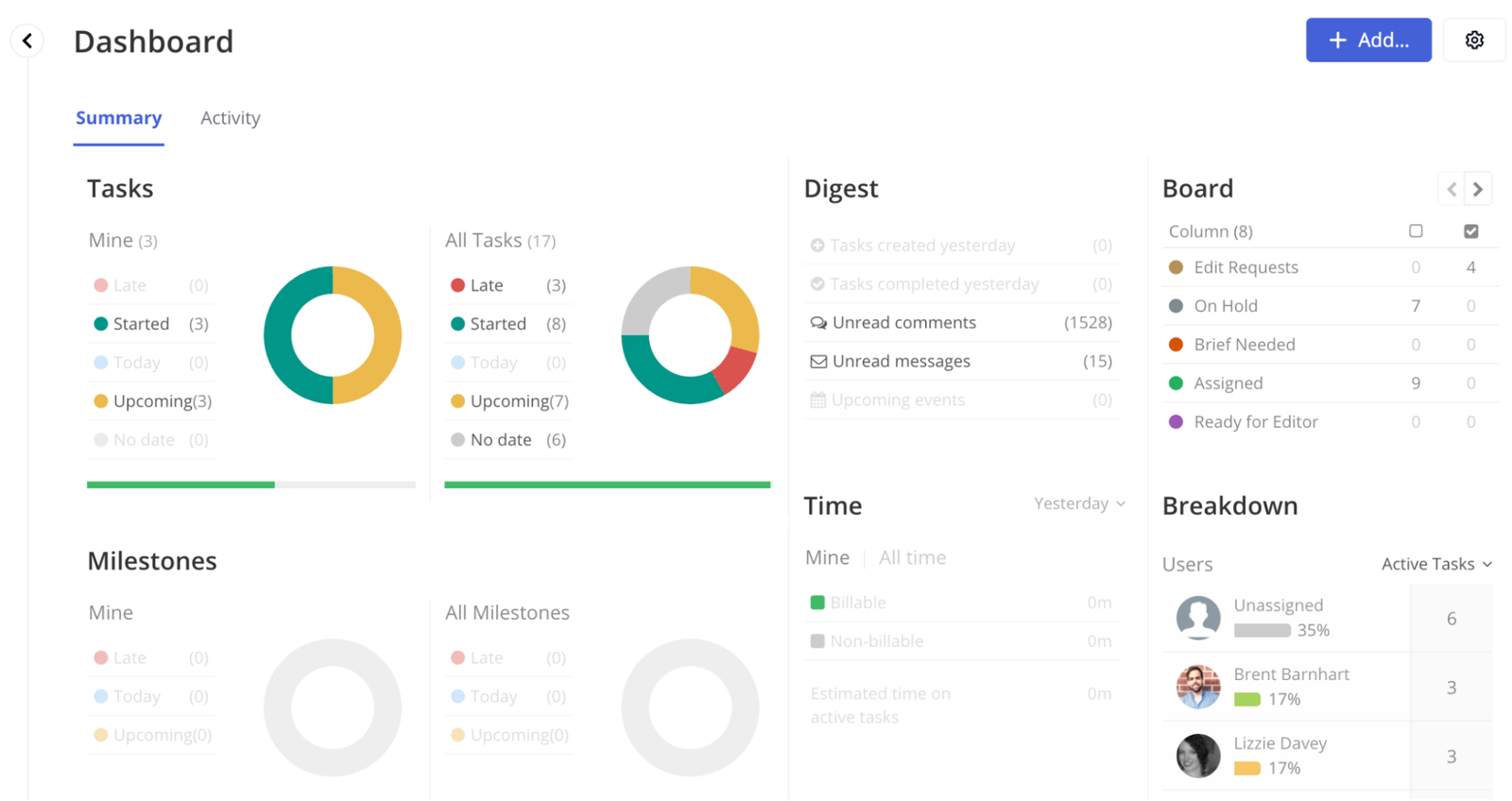

The ability of tseacoets to fit into different domains is what makes it especially powerful.
Benefits of Understanding tseacoets
So why should you care about tseacoets? The benefits go beyond theory.
Improved Decision-Making
By focusing on adaptability and efficiency, tseacoets helps individuals and organizations make better choices.
Increased Productivity
Streamlined processes lead to faster results with less effort.
Enhanced Innovation
Because tseacoets encourages integration and flexibility, it naturally fosters creative thinking.
Long-Term Sustainability
Systems built around tseacoets tend to last longer because they evolve with changing needs.
Challenges and Misconceptions About tseacoets
Like any concept, tseacoets isn’t without its misunderstandings.
Common Misconceptions
- It’s too abstract to apply
- It only works in technology
- It requires complex tools
The Reality
In truth, tseacoets is:
- Practical when understood correctly
- Applicable in multiple fields
- Simple in principle, powerful in execution
The challenge isn’t the concept itself—it’s how people interpret and apply it.
How to Start Using tseacoets
If you’re interested in applying tseacoets, the good news is that you don’t need a complete overhaul.
Step-by-Step Approach
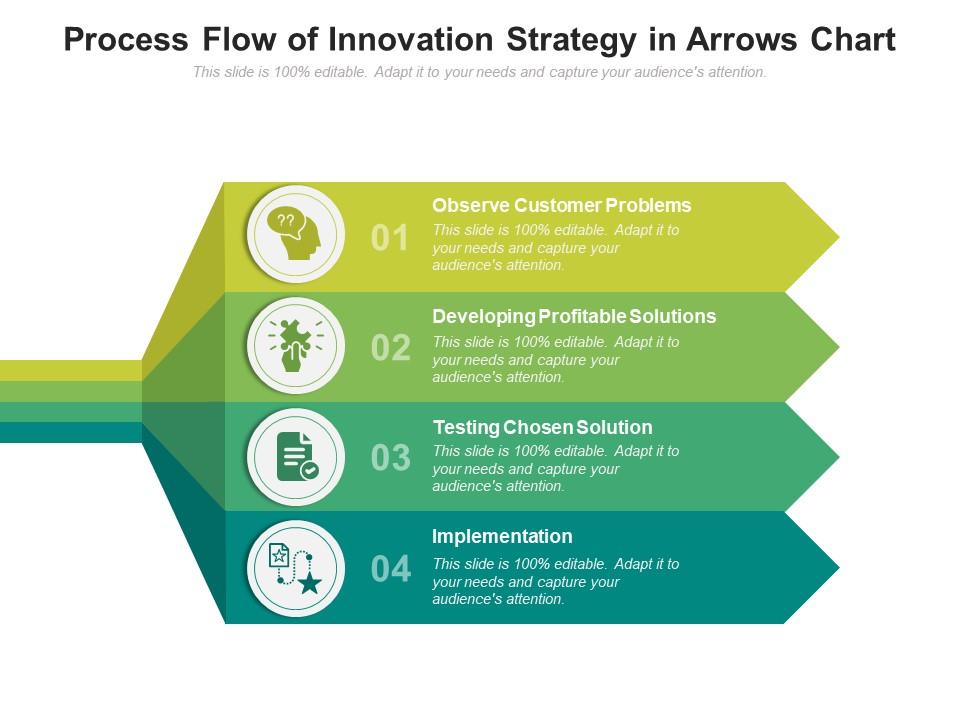
- Understand your current system
- Identify inefficiencies
- Introduce flexibility
- Focus on continuous improvement
- Measure results and adapt
Practical Tips
- Start small
- Stay consistent
- Be open to change
- Learn from feedback
The beauty of tseacoets is that it grows with you.
Future of tseacoets
Looking ahead, tseacoets is likely to play an even bigger role in shaping how systems evolve.
Emerging Trends
- Greater integration with AI
- More personalized applications
- Increased adoption across industries
What This Means
As complexity increases, the need for adaptable frameworks like tseacoets will only become more important.
Those who understand and apply it early will be better prepared for future challenges.
FAQ
What exactly does tseacoets mean?
tseacoets refers to a flexible, adaptive framework designed to improve efficiency, innovation, and overall system performance.
Is tseacoets only for technology fields?
No, tseacoets can be applied across various industries including business, education, and operations.
How can beginners understand tseacoets easily?
Start by focusing on its core ideas: flexibility, continuous improvement, and integration of ideas.
Why is tseacoets becoming popular?
Because modern systems require adaptability, and tseacoets provides a structured yet flexible approach.
Can tseacoets improve productivity?
Yes, by streamlining processes and reducing inefficiencies, tseacoets can significantly boost productivity.
Is tseacoets difficult to implement?
Not necessarily. It can be introduced gradually and scaled over time.
What are the main benefits of tseacoets?
Better decision-making, increased efficiency, enhanced innovation, and long-term sustainability.
Does tseacoets require special tools?
No, it’s more about mindset and approach than specific tools.
Conclusion
tseacoets might seem like a complex idea at first glance, but once you break it down, it becomes clear that it’s rooted in something very simple: the need to adapt, improve, and evolve. In a world that refuses to stand still, static approaches no longer work—and that’s exactly where tseacoets shines.
By understanding and applying its principles, you’re not just keeping up with change—you’re learning how to work with it. And that’s a powerful advantage, no matter what field you’re in.